Pakistan’s fragile economic recovery faces a fresh threat as oil prices climbed to a two-week high amid escalating tensions with Iran, adding pressure on the country’s import bill and inflation outlook at a critical juncture.
The surge in global energy prices comes as regional conflict has severely disrupted maritime trade through the Strait of Hormuz, one of the world’s most vital oil chokepoints. Reports indicate traffic through the strait has plummeted by as much as 95 percent, sending shockwaves through energy markets and creating what economists are calling a “Middle East Premium” for import-dependent nations like Pakistan.
For Pakistan, which relies heavily on imported fuel to power its economy, the timing could not be worse. The country had started the current fiscal year with cautious optimism, posting GDP growth of 3.7 percent in the first quarter driven by improved agricultural output and a manufacturing rebound. Now, rising oil prices threaten to unravel that progress.
The immediate impact is already visible across multiple sectors. Shipping costs have jumped sharply, insurance premiums for cargo vessels have soared, and delivery delays are mounting. Pakistan’s industrial backbone—particularly textiles, chemicals, and manufacturing—is grappling with rising input costs that are squeezing profit margins and dampening production.
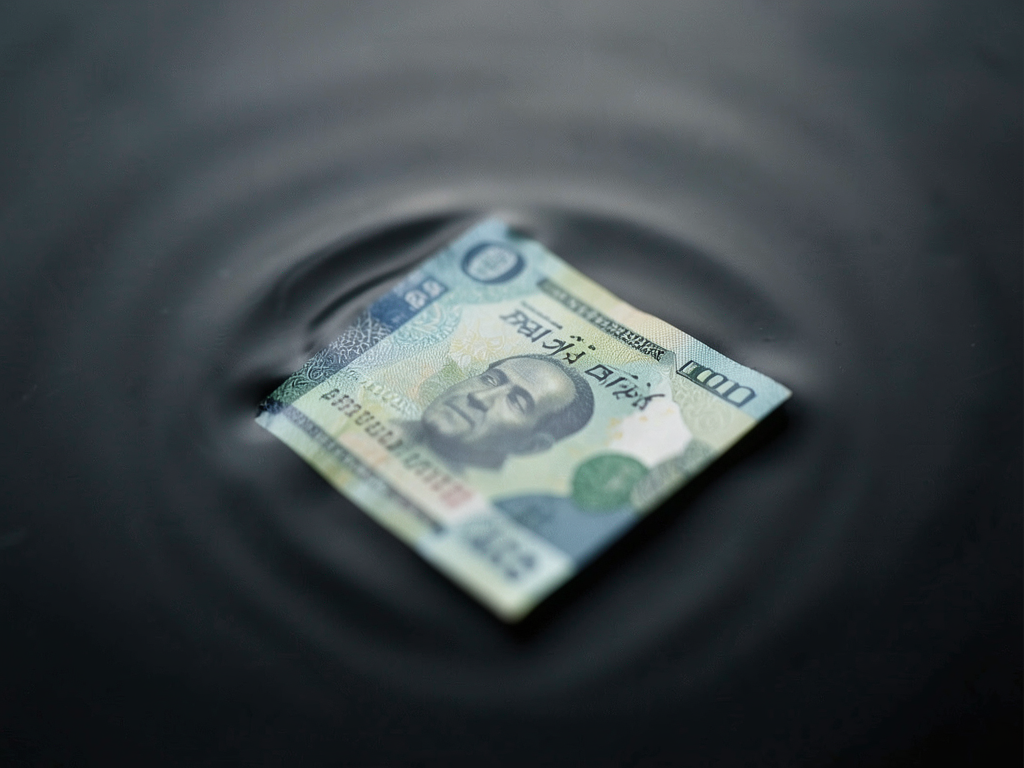
The energy price shock is also widening Pakistan’s current account deficit, according to the World Bank’s latest economic assessment. As import bills for oil and gas climb, pressure on the Pakistani rupee intensifies, creating a dangerous cycle where currency weakness feeds imported inflation.
Facing this external shock, the State Bank of Pakistan recently raised its policy rate by 100 basis points to 11.5 percent in a hawkish pivot aimed at containing inflation expectations. The central bank acknowledged the economy’s recovery momentum but warned that supply-side disruptions from the Middle East pose significant upside risks to inflation.
The rate hike reflects a difficult balancing act for policymakers. While higher interest rates can help anchor inflation, they also increase borrowing costs for businesses, potentially slowing investment and industrial expansion. Small and medium enterprises, already squeezed by rising costs, may be forced to scale back operations.
On a more positive note, Pakistan recently secured crucial financial support from the International Monetary Fund. The IMF Executive Board approved the disbursement of SDR 760 million after completing the third review under Pakistan’s Extended Fund Facility, along with an additional SDR 154 million under the Resilience and Sustainability Facility.
This IMF approval provides temporary breathing room and reinforces international confidence in Pakistan’s reform trajectory. However, the external financing support may offer limited protection against sustained oil price increases driven by regional instability.
For ordinary Pakistanis, higher oil prices translate directly into increased costs for transportation, electricity, and everyday goods. Cooking gas shortages and fuel price spikes are already being felt in neighboring India, offering a preview of potential challenges ahead.
The situation underscores Pakistan’s vulnerability to external shocks and the urgent need for energy diversification. As regional tensions show no signs of abating, policymakers face the challenging task of protecting economic recovery while managing inflation in an increasingly volatile global environment.
The coming weeks will be critical in determining whether Pakistan can weather this storm or whether the Middle East conflict will derail the country’s hard-won economic stability.