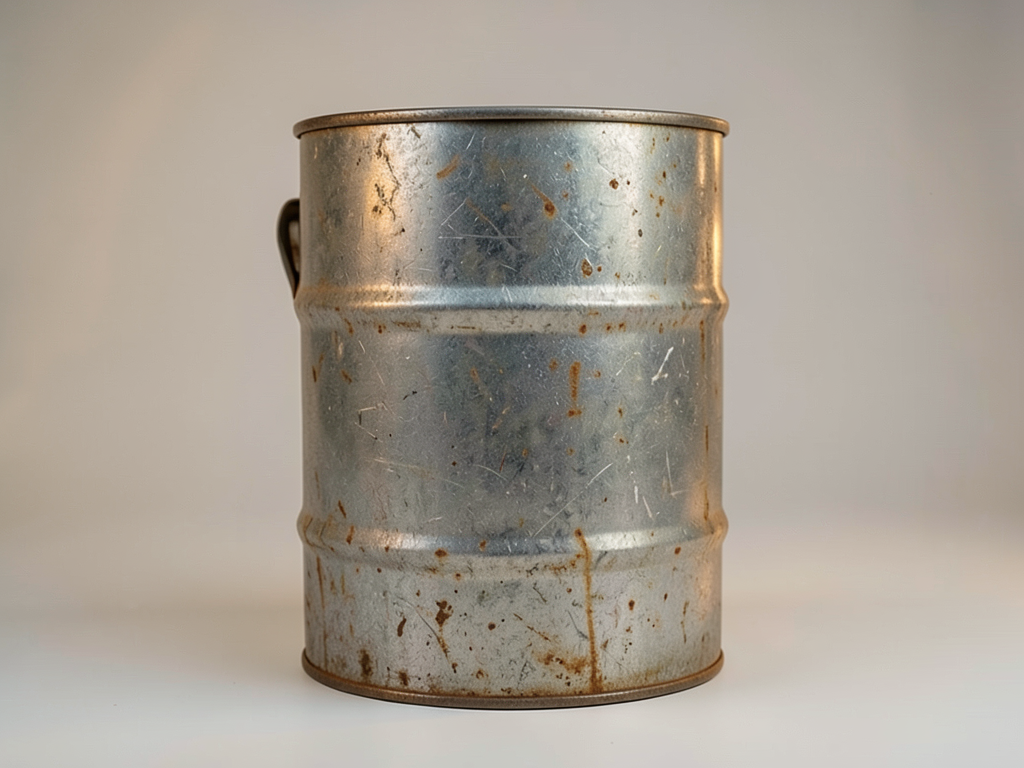
Oil prices surged nearly 2% on Wednesday, extending a three-day rally fueled by a dangerous escalation in the Persian Gulf that threatens to derail fragile peace efforts between the United States and Iran—and could soon hit Pakistani consumers hard at the pump.
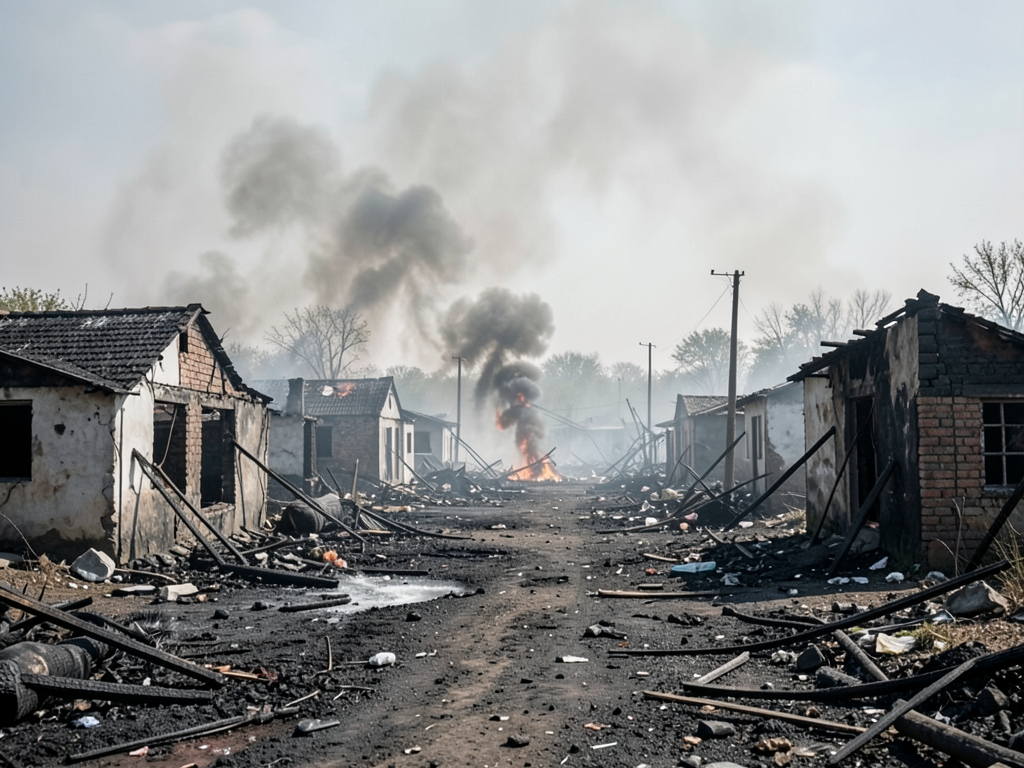
US crude futures climbed to $95.40 per barrel as military hostilities flared anew in the strategically vital Strait of Hormuz. According to US Central Command, Iran launched missiles targeting American military installations in Kuwait and Bahrain. While most were intercepted or failed, US forces responded with strikes on Iran’s Qeshm Island, located at the mouth of the strait.
Iran’s Revolutionary Guards claimed responsibility for attacking the US Fifth Fleet headquarters, signaling a sharp reversal from last week’s optimism. Just days earlier, both nations had indicated they were close to signing a tentative ceasefire extension. Those hopes now appear shattered.
“Last week the trajectory was towards some sort of memorandum of understanding and markets were high on the belief that was coming,” said Chris Weston, head of research at Pepperstone in Melbourne. “Things are looking more precarious now.”
The renewed violence comes as Iran has reportedly laid additional mines across large sections of the Strait of Hormuz, a chokepoint responsible for roughly one-fifth of global oil and liquefied natural gas flows. Analysts warn that even if a peace deal is eventually reached, the process of clearing mines and restoring normal shipping could take weeks or months.
“There has been a slight tick up in vessels attempting the journey, but total transits remain significantly below pre-conflict levels,” said Daniel Hynes, senior commodity strategist at ANZ bank.
Meanwhile, US crude inventories dropped by 6.8 million barrels in the week ending May 29, marking the seventh consecutive weekly decline, according to data from the American Petroleum Institute. Tightening supplies are adding upward pressure on prices already elevated by geopolitical risk.
The conflict has also drawn in regional players. Israel ordered troops deeper into Lebanon to confront the Iranian-backed Hezbollah militant group, despite a ceasefire announced six weeks ago. A partial truce was announced Monday, but fighting continues.
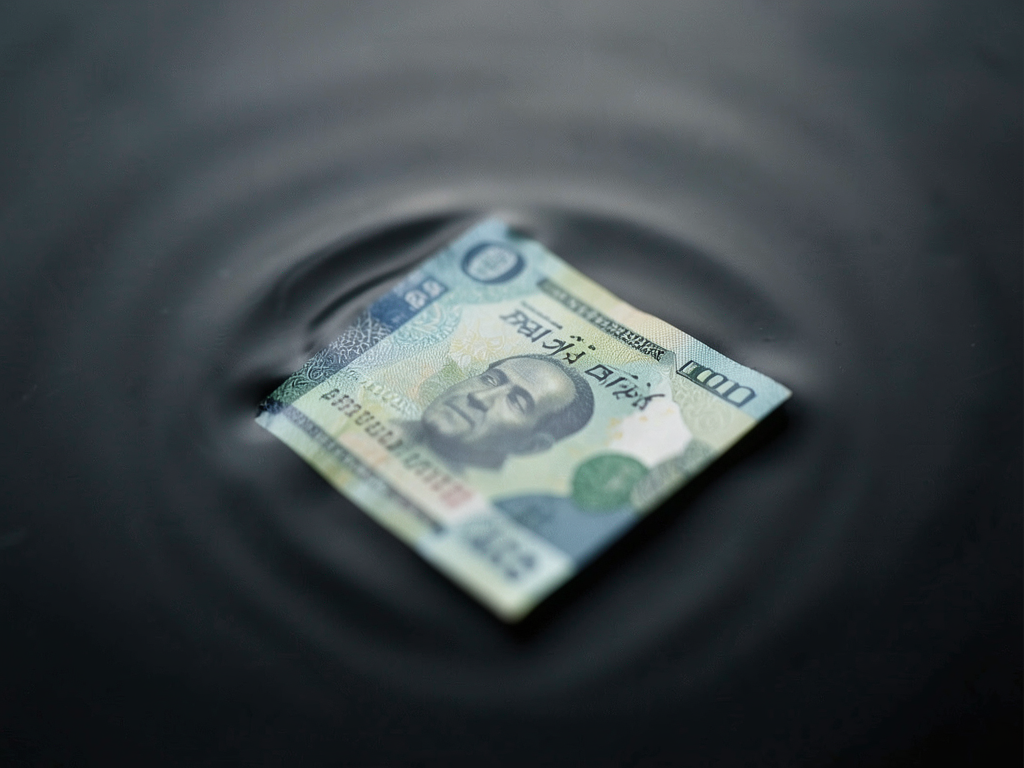
For Pakistan, the implications are immediate and severe. The country imports the vast majority of its crude oil and refined fuel, making it highly vulnerable to price shocks. A sustained rise in oil prices will inflate the import bill, widen the current account deficit, and likely trigger higher fuel prices domestically—adding to inflationary pressures already squeezing household budgets.
Pakistan’s economy has been struggling with high inflation and a weak rupee. Any prolonged disruption in Gulf oil flows or further price increases could force the government to either absorb higher subsidy costs or pass them on to consumers, both politically and economically painful choices.
Currency markets also reflected the tension. The US dollar hovered near 160 yen, a level that has prompted intervention concerns from Japanese authorities. The euro traded at $1.1627, while stock markets showed mixed signals. Wall Street eked out small gains driven by artificial intelligence stocks, but broader sentiment remained cautious.
Cryptocurrencies tumbled, with Bitcoin falling nearly 10% over three sessions to a two-month low of $66,123.
Markets had initially priced in potential US interest rate cuts earlier this year, but the Iran conflict has reversed those expectations. Traders now anticipate about 18 basis points of rate increases in the US this year, with hikes also expected in Europe and Japan.
US President Donald Trump has sent conflicting signals about the status of negotiations. On Monday, he told CNBC he “didn’t mind” if talks were over, but later posted on social media that discussions were continuing. He told ABC News he expected a deal “over the next week,” though Iran has since suspended indirect negotiations.
Shipping executives meeting in Athens emphasized that any peace agreement must provide clear rules allowing vessels to safely resume operations through the Strait of Hormuz. Until then, the oil market will remain volatile, and Pakistan will remain exposed to the financial fallout.