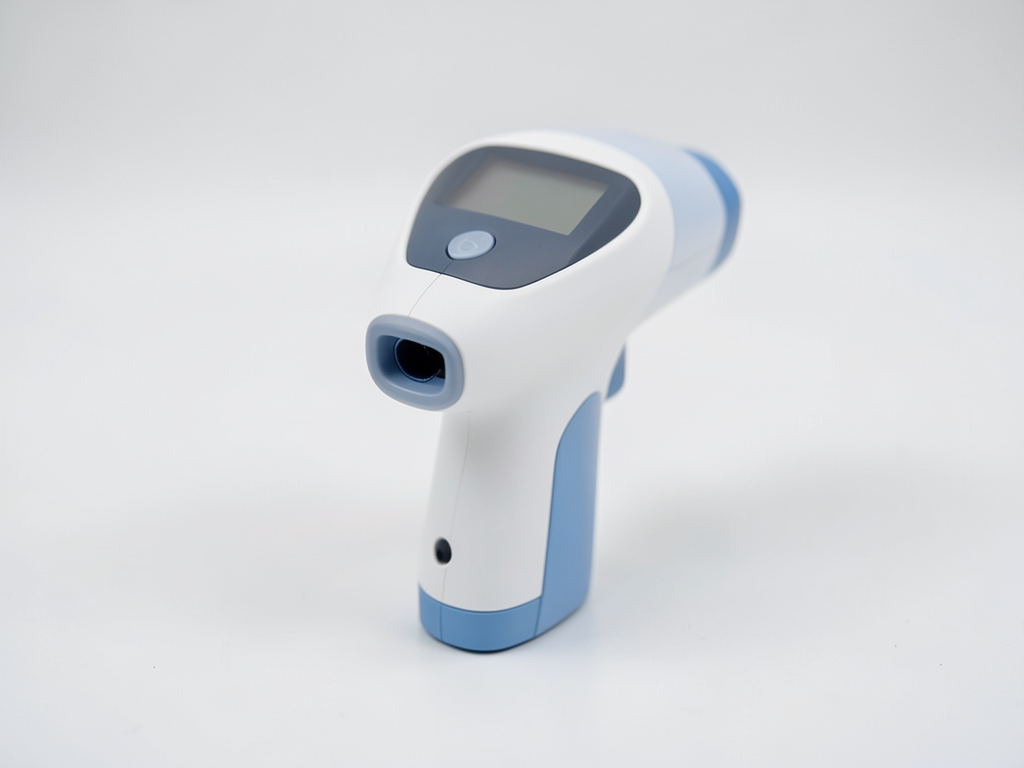
Pakistan has activated emergency health screening measures at all major airports following the World Health Organization’s declaration of a global health emergency over the escalating Ebola outbreak in Congo and Uganda.
Federal Health Minister Mustafa Kamal has ordered immediate implementation of rigorous screening protocols at every airport entry point across the country, marking one of Pakistan’s most significant public health responses to an international disease threat in recent years.
The move comes as health authorities worldwide scramble to contain what WHO has classified as an international emergency, with the deadly virus spreading rapidly through Central African nations. While Pakistan has never recorded a single Ebola case and maintains minimal direct travel connections with affected regions, officials are taking no chances.
“We are acting proactively to protect our citizens,” Minister Kamal emphasized in an official statement from the Ministry of National Health Services. “Effective preventive measures are being implemented to safeguard the public from any potential epidemic threat.”
The ministry has placed all provincial health departments and border health services on heightened vigilance. The National Institute of Health, Pakistan’s premier disease surveillance body, is now operating under emergency protocols and maintaining continuous coordination with WHO headquarters.
Pakistani travelers planning trips to African countries are being urged to carefully review health advisories and travel guidelines before departure. However, authorities have stopped short of imposing travel bans or restrictions, following WHO guidance that such measures are currently unnecessary.
Health officials stress that Pakistan’s risk level remains very low due to limited direct flight connections with Congo, Uganda, and surrounding affected areas. Nevertheless, the government is leaving nothing to chance.
The ministry confirmed that Pakistan possesses full diagnostic capability for Ebola virus detection. Laboratory facilities and testing protocols have been verified and are ready for immediate deployment if needed. Emergency response teams have been briefed and equipped to handle any suspected cases.
All affiliated health institutions across the country have been instructed to maintain maximum preparedness. Medical staff at major hospitals are receiving updated training on Ebola identification, isolation procedures, and treatment protocols.
The Ebola virus causes severe hemorrhagic fever with fatality rates that can exceed 50 percent in some outbreaks. The disease spreads through direct contact with bodily fluids of infected individuals, making early detection and isolation critical to preventing transmission.
Pakistan’s swift response reflects lessons learned from previous global health emergencies, including the COVID-19 pandemic, when delayed action proved costly for many nations. Health authorities are determined to stay ahead of any potential threat, even as they reassure citizens that immediate risk remains minimal.
The ministry continues monitoring the African outbreak situation hourly through WHO channels, ready to adjust Pakistan’s response measures as the international health crisis evolves.