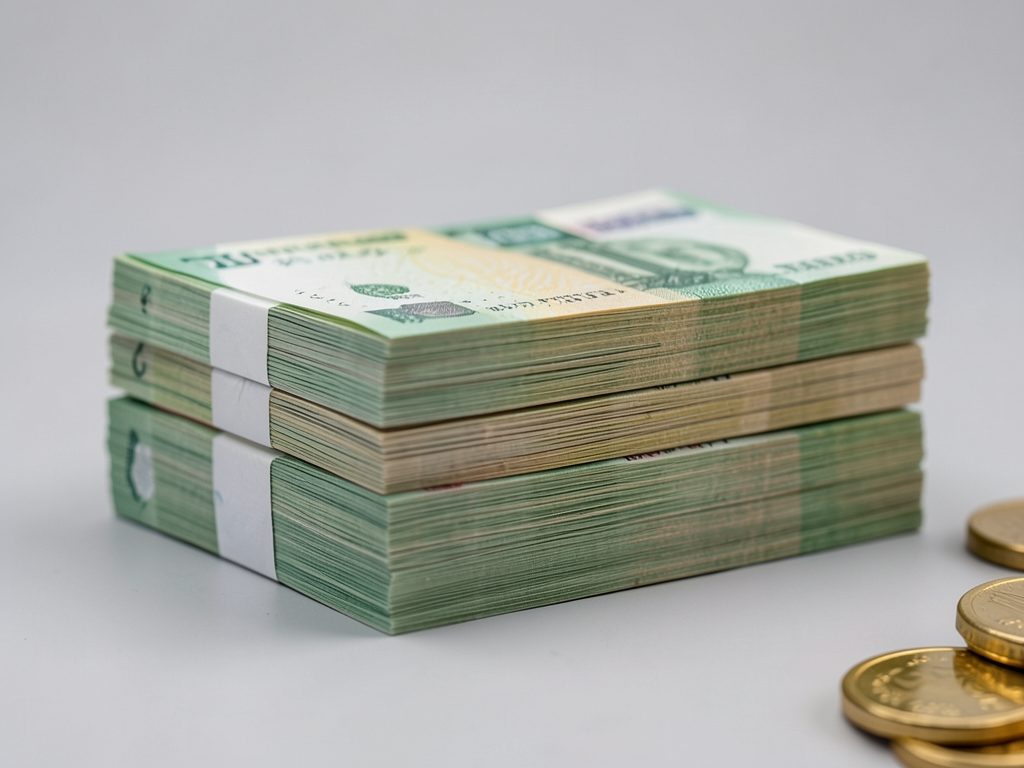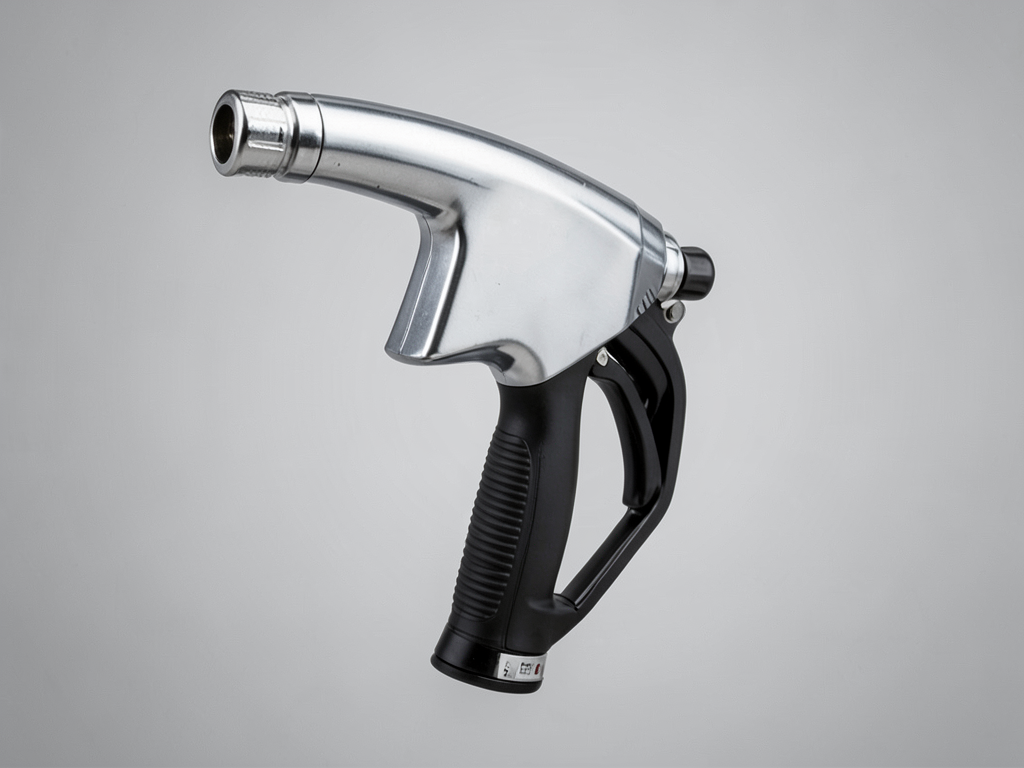
Pakistani consumers received mixed news on fuel pricing as the country’s petroleum regulator announced a reduction in petrol costs while simultaneously raising diesel rates, changes that will directly affect millions of households and businesses nationwide.
The Oil and Gas Regulatory Authority made the announcement through an official notification, revealing that petrol prices will drop by over three rupees per litre, bringing the new rate to Rs376.06. However, diesel users will face an increase of more than two rupees per litre, with the new price set at Rs398.07.
These revised rates became effective on October 28, marking another adjustment in Pakistan’s volatile fuel market that remains sensitive to global oil fluctuations and regional geopolitical developments.
The price changes come as the government continues implementing its Petrol Relief Scheme, a targeted subsidy program launched in response to fuel price pressures following escalating tensions between the United States and Iran. Prime Minister Shehbaz Sharif authorized the relief initiative to cushion the impact on lower-income vehicle owners.
Under this scheme, eligible Pakistanis can receive a substantial Rs100-per-litre discount on petrol purchases. The program specifically targets owners of motorcycles, Qingqi rickshaws, and small cars with engines up to 800cc—vehicles typically used by middle and lower-income families.
Motorcycle and Qingqi rickshaw owners qualify for the discount on up to 20 litres monthly, while small car owners can access discounted fuel for up to 30 litres per month. The relief represents significant savings for daily commuters and small business operators who depend on these vehicles for their livelihoods.
Registration for the scheme operates through a straightforward SMS-based system. Applicants must text specific information to 9771, including their national identity card number, vehicle registration details, province, and registration date. After receiving confirmation, users must request a token number before each fuel station visit by texting TOK to the same number.
The diesel price increase will particularly impact the transportation and agriculture sectors, where diesel powers trucks, buses, tractors, and other heavy machinery. This could potentially translate into higher costs for goods transportation and farming operations, with possible ripple effects on food prices and logistics expenses across the supply chain.
Fuel pricing remains a politically sensitive issue in Pakistan, where petroleum costs directly influence inflation rates and living standards. The government faces the ongoing challenge of balancing international oil market realities, fiscal constraints, and public welfare concerns.
Industry observers note that Pakistan’s fuel prices remain vulnerable to global oil market volatility, currency exchange rate fluctuations, and regional security developments. The current pricing adjustment reflects these complex dynamics while attempting to provide targeted relief to the most affected segments of society.
For millions of Pakistani commuters, delivery riders, and small vehicle owners, the petrol price reduction offers modest relief in their daily transportation budgets, though the diesel increase signals continued pressure on the broader economy’s transportation backbone.