Pakistani households received modest relief this week as the country’s inflation rate edged down by 0.35 percent, according to fresh data from the Pakistan Bureau of Statistics. The weekly decline offers a small reprieve for consumers grappling with persistent cost-of-living pressures, though the annual inflation rate remains elevated at 11.32 percent.
The latest PBS report paints a complex picture of price movements across essential goods. While 15 commodities became more expensive during the week, 12 items saw their prices fall, creating a mixed impact on household budgets.
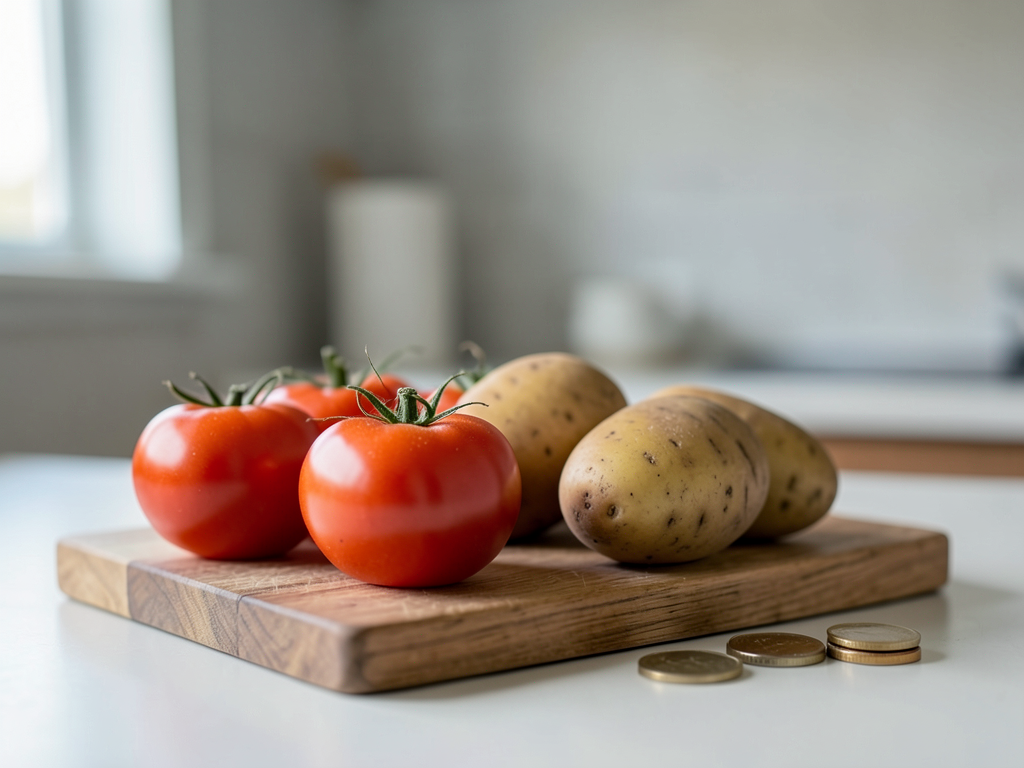
Tomatoes led the weekly price surge, skyrocketing by nearly 35 percent—a sharp jump that will hit kitchen budgets hard as the vegetable is a staple in Pakistani cuisine. Potatoes also climbed over 3 percent, while diesel fuel rose 2.53 percent and gram pulse increased by more than 2 percent. Even the humble roti became costlier, with plain bread prices up 1.29 percent.
On the positive side, electricity bills provided significant relief, with quarterly tariffs dropping almost 4 percent. This reduction comes as welcome news for millions of Pakistani families who have struggled with soaring power costs in recent months.
Protein sources offered mixed signals. Live chicken prices fell nearly 3 percent and eggs dropped 2.81 percent, providing some breathing room for consumers. Cooking essentials also trended downward, with flour declining 0.83 percent, LPG falling 0.73 percent, and petrol dipping 0.39 percent. Sugar and powdered milk prices also edged lower.
The year-on-year comparison reveals the longer-term inflation story. LPG has more than doubled in price over the past twelve months, surging over 106 percent. Electricity tariffs jumped 52 percent annually, while diesel and petrol climbed 45 percent and 43 percent respectively. Flour costs have risen nearly 35 percent year-over-year, and chicken prices are up almost 32 percent.
However, some commodities have become substantially cheaper compared to last year. Potato prices have plummeted nearly 39 percent annually, tomatoes are down 28 percent despite this week’s spike, and eggs have fallen over 26 percent. Sugar prices dropped 25 percent year-on-year, while lentil varieties including masoor and moong dal declined by 8 percent and 6 percent respectively.
The marginal weekly decline suggests inflation pressures may be stabilizing, though the double-digit annual rate indicates Pakistani consumers continue facing significant economic strain. Food price volatility remains a critical concern, with sharp weekly swings in vegetables creating uncertainty for household planning.
Economists will watch closely whether this week’s modest improvement signals the beginning of a sustained downward trend or merely represents temporary market fluctuations in an otherwise challenging inflationary environment.