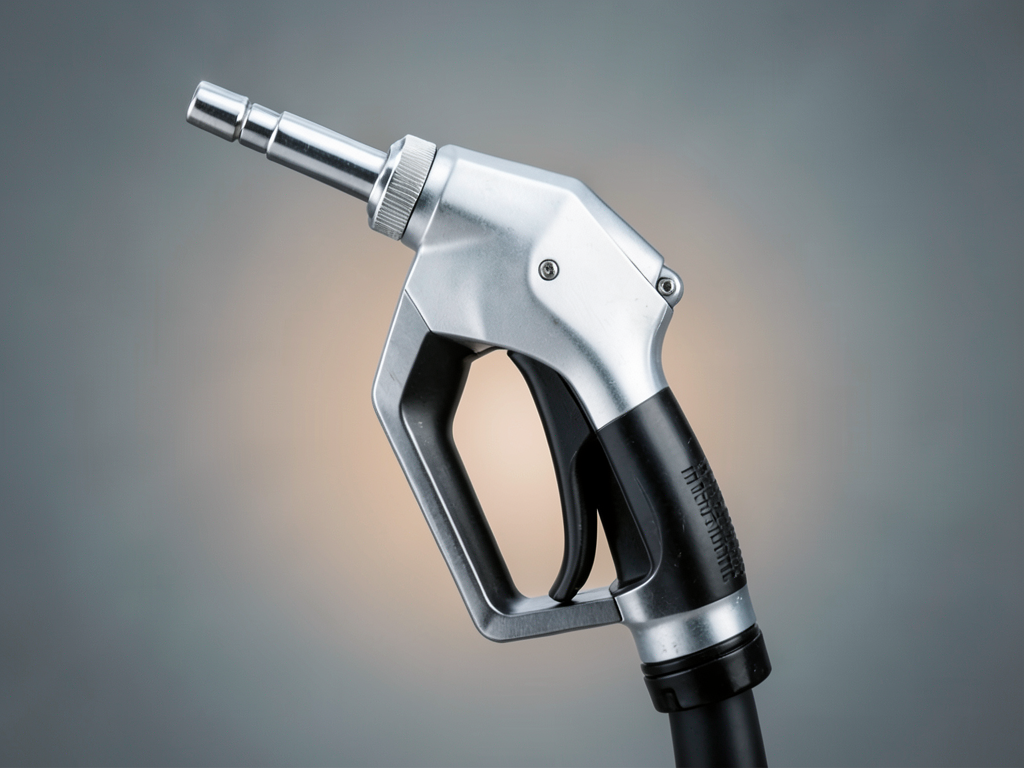
Pakistani consumers received mixed news on fuel prices as the Oil and Gas Regulatory Authority announced its latest revision, keeping petrol rates stable while increasing diesel costs.
OGRA’s notification confirmed that petrol will remain at Rs377.91 per litre, offering temporary relief to private vehicle owners and motorcycle riders across the country. However, diesel users face a fresh burden as the rate climbed 85 paisa to Rs400.67 per litre.
The diesel increase carries significant weight for Pakistan’s economy. Heavy transport vehicles, agricultural machinery, and industrial generators all run primarily on diesel, meaning this hike will ripple through supply chains and potentially push up prices of essential goods in markets nationwide.
The decision comes amid ongoing economic pressures and fluctuating global oil markets. While the unchanged petrol price provides some breathing room for middle-class families already stretched thin by inflation, the diesel jump threatens to add fresh momentum to transportation costs.
Recent data presented in the Senate reveals Pakistan’s heavy dependence on fuel imports. Between July and September 2026, the country’s daily petrol consumption reached 21,583 metric tonnes while domestic production managed only 7,035 metric tonnes daily. The gap between production and consumption tells a stark story of import dependency.
Diesel figures show a slightly better picture but still reveal a shortfall. Daily high-speed diesel sales stood at 16,866 metric tonnes against domestic production of 14,065 metric tonnes during the same period.
Punjab dominates both production and consumption. The province produced 4,670 metric tonnes of petrol daily while consuming 14,827 metric tonnes. Its diesel production reached 7,608 metric tonnes daily against sales of 10,779 metric tonnes.
Sindh’s refineries contributed 1,592 metric tonnes of petrol and 4,419 metric tonnes of diesel daily. Balochistan showed the starkest imbalance, producing 773 metric tonnes of petrol daily but recording sales of just 62 metric tonnes, suggesting most local production moves to other provinces.
Pakistan’s refineries process both locally extracted and imported crude oil to meet national fuel demand. The production shortfall means the country must continue importing substantial quantities of refined petroleum products, leaving domestic prices vulnerable to international market swings and exchange rate fluctuations.
For ordinary Pakistanis, fuel prices remain a daily concern that shapes household budgets and business decisions. Transport operators may now adjust fares upward to absorb the diesel increase, while manufacturers using diesel generators could face higher production costs.
The government faces a delicate balancing act between protecting consumers from price shocks and managing subsidy burdens that strain public finances. Each fuel price revision triggers nationwide attention as millions calculate the impact on their monthly expenses and business margins.