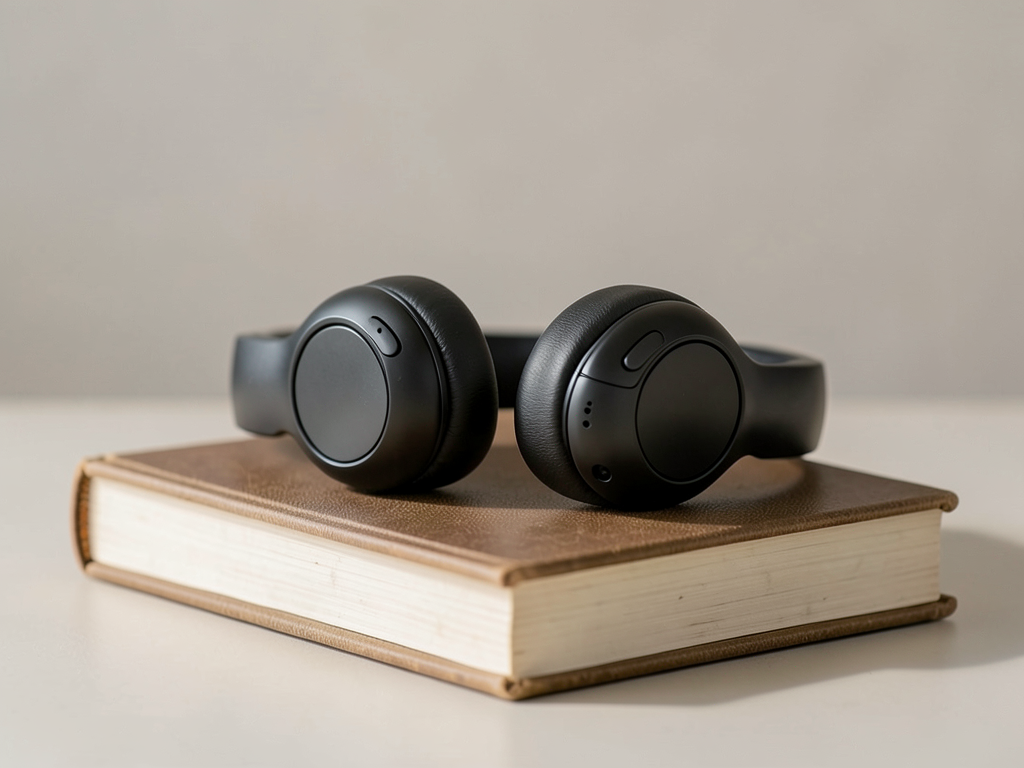
Pakistani book lovers and commuters now have a new way to consume literature as Spotify officially launches its audiobook service in the country, bringing over 100,000 English-language titles to local subscribers.
Starting November 4, the service—branded as Audiobooks+—became available to both free and premium Spotify users in Pakistan for Rs489 per month. The subscription grants 15 hours of audiobook listening time that resets monthly, positioning the platform as a direct competitor to traditional book retailers and other digital reading services.
For users who exhaust their monthly quota, Spotify offers a top-up option: an additional 10 hours for Rs579. Those preferring flexibility can skip the subscription altogether and purchase individual audiobook titles outright.
The launch represents a significant expansion of entertainment options for Pakistan’s growing digital consumer base, particularly urban professionals and students who increasingly rely on mobile devices for content consumption. With Pakistan’s notorious traffic congestion and lengthy commutes, audiobooks offer a practical alternative to physical reading.
Spotify has equipped the service with features tailored for modern listeners. Automatic bookmarking saves progress across sessions, while a sleep timer allows users to drift off without draining their monthly allowance. A standout feature called Page Match lets readers seamlessly switch between physical books, e-books, and audiobooks, picking up exactly where they left off regardless of format.
All content can be downloaded for offline listening—crucial for Pakistani users facing inconsistent internet connectivity—and progress syncs automatically across devices.
The Pakistan rollout forms part of Spotify’s ambitious global audiobook strategy announced at the Frankfurt Book Fair in October. The company aims to reach more than 180 markets and potentially 780 million people by late 2026.
“For a lot of people, audiobooks are how they find their way back to reading, on the commute, on a walk, or at the end of a long day,” explained Owen Smith, Spotify’s vice-president overseeing the audiobooks division.
The timing appears strategic. Spotify reports that monthly audiobook listeners have surged nearly 40 percent over the past year, while total listening hours have climbed more than 30 percent. The Audiobooks+ subscription service itself has attracted over one million paying subscribers since launching just over a year ago in select markets.
For Pakistani users, accessing the service requires a simple app update. Once updated, a dedicated Audiobooks section appears in the interface, allowing browsing and discovery of available titles before prompting users to either subscribe or make individual purchases.
The move could reshape Pakistan’s modest but growing audiobook market, where options have historically been limited. While Spotify’s catalogue currently focuses on English-language titles, the platform’s entry may eventually pressure competitors to expand local-language offerings or prompt Spotify itself to consider Urdu content in future updates.
Pakistan represents one of Spotify’s newer markets overall, with the streaming service having expanded its music offerings to the country relatively recently compared to its presence in North America and Europe. The audiobook launch signals the company’s confidence in Pakistan’s digital consumption trajectory and willingness to invest in the market beyond basic music streaming.
Whether Pakistani consumers—accustomed to free or pirated content—will embrace a paid audiobook model at scale remains to be seen, but Spotify’s pricing appears calculated to test the market’s appetite for premium digital literary content.