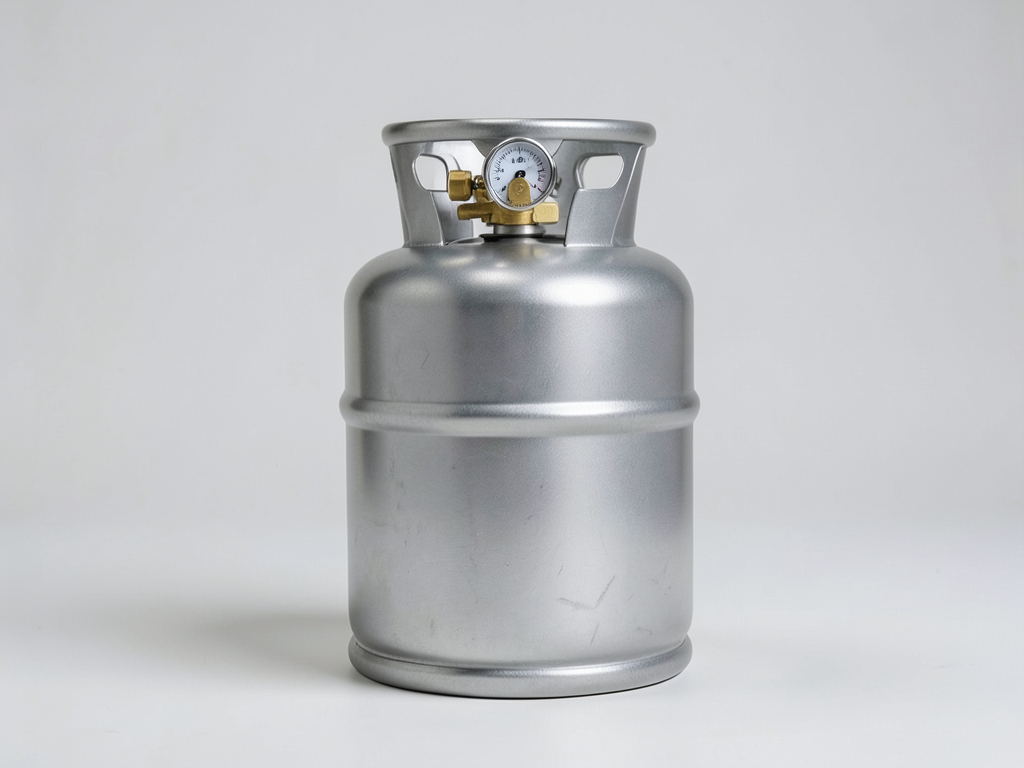
Pakistan has taken a decisive step toward breaking up what officials describe as monopolistic control over the country’s liquefied petroleum gas market, announcing the abolition of a discretionary quota system that has governed LPG distribution for years.
The move, confirmed during the inaugural meeting of a newly formed oversight committee, introduces a competitive auction mechanism designed to ensure fairer pricing and wider availability of LPG—a critical cooking and heating fuel for millions of Pakistani households, particularly in areas beyond the natural gas network.
Federal Petroleum Minister Ali Pervaiz Malik emphasized that addressing public frustration over LPG shortages and inflated prices had become a top government priority. The new framework aims to dismantle what authorities characterize as cartel-like practices that have concentrated supply among a handful of companies.
Under the restructured system, domestic LPG producers will reserve 10 percent of their output for government-owned marketing firms, specifically earmarked for distribution to remote and underserved regions. The remaining 90 percent will be sold through open auctions conducted with media presence to ensure transparency.
To prevent the re-emergence of market dominance by any single player, participating companies will face a daily purchase cap of 20 metric tonnes. The oversight committee will track daily production figures to enforce compliance and maintain competitive conditions.
The federal cabinet greenlit the auction framework on November 4, marking what Information Minister Attaullah Tarar called a historic reform. He noted that previous administrations had avoided confronting entrenched interests in the sector, allowing a small group to maintain outsized influence over supply and pricing.
Prime Minister Shehbaz Sharif personally directed the implementation of the merit-based system, according to government statements. The Petroleum Division reiterated its commitment to creating a level playing field for industry participants while addressing the longstanding concentration of LPG supplies.
The reform comes as Pakistani consumers face persistent energy challenges, with LPG serving as a vital alternative for households and businesses lacking access to piped natural gas. Industry observers suggest the auction system could introduce genuine price competition for the first time in years, though its success will depend heavily on rigorous enforcement and monitoring.
By opening the market to broader participation and capping individual company purchases, authorities hope to stabilize supply chains, reduce price volatility, and ultimately lower costs for end users. The initiative represents one of the most significant structural changes to Pakistan’s energy sector in recent memory, with potential ripple effects across household budgets and small business operations nationwide.