Pakistan has rolled out a groundbreaking auction system for domestically produced liquefied petroleum gas that will see the vast majority of supply sold under media scrutiny, a move aimed at ending years of pricing opacity and distribution bottlenecks that have left consumers vulnerable to exploitation.
Under the new framework, local LPG producers must sell 90 percent of their output through open auctions conducted in front of journalists, while the remaining 10 percent will go to state-owned marketing firms tasked with serving remote and underserved regions. The initiative marks a sharp departure from previous practices that allowed pricing and allocation decisions to happen behind closed doors.
Petroleum Minister Ali Pervaiz Malik announced the policy shift during the inaugural session of a newly formed oversight committee in Islamabad, describing public frustration over LPG availability and unfair costs as a top government concern. He emphasized that the auction mechanism would promote equitable access, stabilize supply chains, and strengthen energy security across the country.
To prevent market concentration, individual companies will be capped at purchasing no more than 20 metric tons per day through the auction process. Officials say this limit is designed to ensure a level playing field and stop any single player from cornering supply.
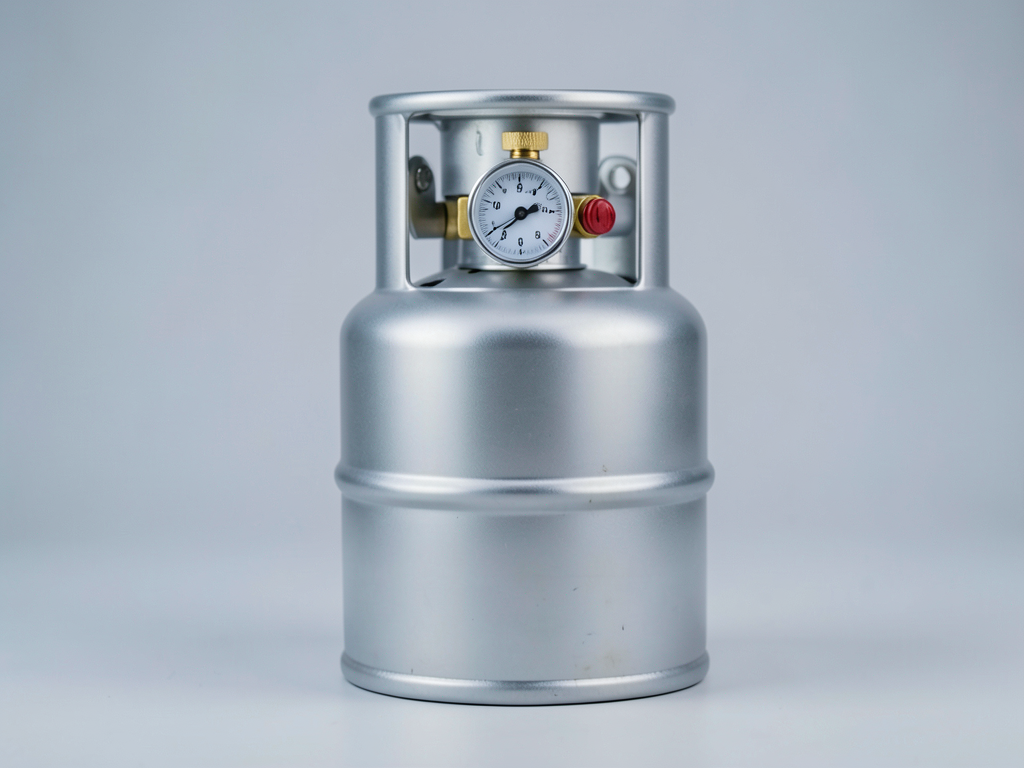
The policy arrives as Pakistan grapples with acute LPG shortages tied to disruptions along its western borders, which have sent open-market prices soaring far beyond official rates. Millions of Pakistani households, particularly those in areas without piped natural gas, depend on LPG cylinders for cooking and heating, making price volatility a kitchen-table issue with direct impact on family budgets.
Earlier this week, the federal cabinet approved a broader LPG strategy that includes directing four state-owned enterprises to resume imports, a step intended to ease supply pressures and inject competition into the market. The government also plans to offer subsidized LPG at 300 to 350 rupees per kilogram to low-income families enrolled in the Benazir Income Support Programme.
Looking ahead, authorities have outlined an ambitious infrastructure expansion plan requiring roughly one billion dollars in investment over the next three to five years. The roadmap includes new import terminals, expanded storage facilities, additional filling plants, more transport capacity, and a larger cylinder fleet.
Currently, Pakistan’s LPG infrastructure includes about 100,000 metric tons of total storage capacity, with around 14,000 metric tons located at seaports and the rest distributed inland. The country also operates approximately 2,600 LPG transport vehicles and has nearly five million cylinders in circulation. However, officials acknowledge this setup falls short of meeting rising demand driven by declining domestic natural gas output and growing reliance on imported energy.
The transparent auction model represents a significant governance shift in a sector long criticized for lack of oversight. By bringing media into the bidding process and capping purchase limits, the government hopes to restore public confidence, curb profiteering, and ensure that LPG reaches consumers at fairer prices. Whether the reforms can withstand political and commercial pressures remains to be seen, but the policy signals a clear intent to prioritize accountability in a market that touches millions of Pakistani homes daily.