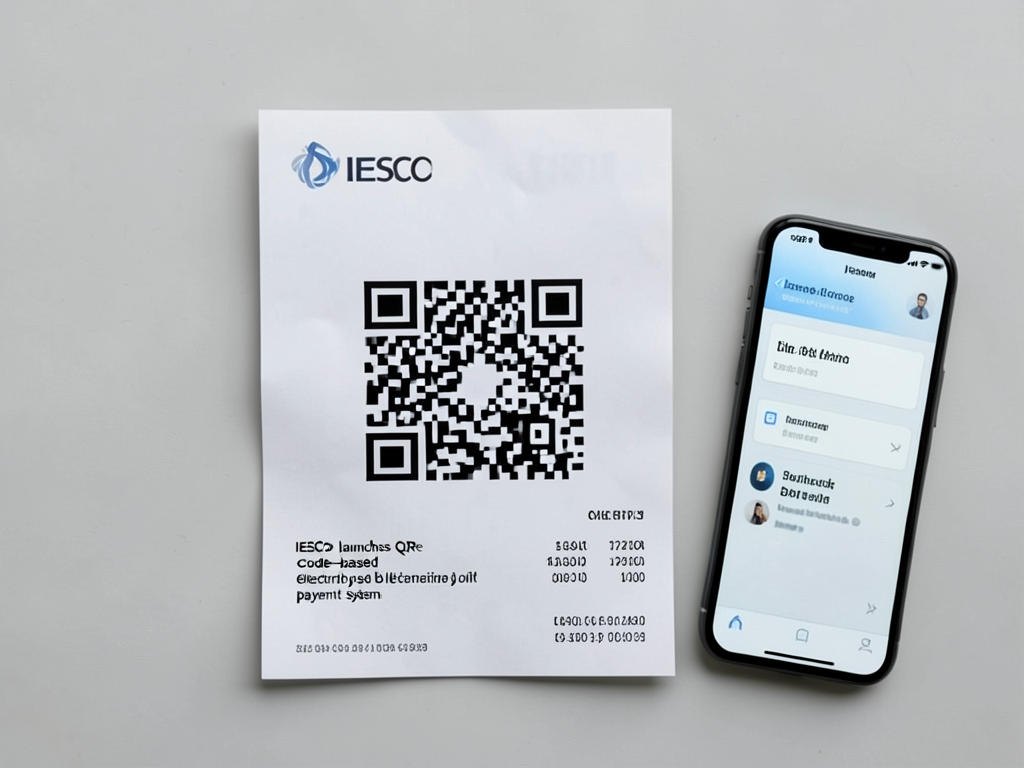
Electricity consumers across Islamabad and surrounding regions can now settle their power bills anytime, anywhere, following the launch of a new QR code-based payment system by the Islamabad Electric Supply Company.
The facility, operational around the clock every day of the week, allows users to pay bills and demand notices instantly by scanning codes printed directly on their billing documents. The move is expected to eliminate long queues at bank branches and payment centers, a persistent frustration for urban consumers juggling work and household responsibilities.
According to IESCO’s Chief Executive Engineer Khalid Mahmood, the digital payment channel is designed to speed up transactions, reduce errors, and bring greater transparency to the revenue collection process. The system integrates with mobile wallets and online banking apps already widely used across Pakistan, making adoption straightforward for tech-savvy users.
To complete a payment, consumers simply open their banking or wallet app, scan the QR code displayed on their original bill or demand notice, verify the amount due, and authorize the transaction. The entire process takes seconds and can be done from home, office, or on the go.
Mahmood emphasized the importance of vigilance, urging consumers to scan only the QR codes printed on authentic IESCO bills and demand notices. He also advised users to carefully review all payment details on their screens before finalizing any transaction to avoid errors or potential fraud.
The initiative reflects a broader push across Pakistan’s utility sector to digitize customer-facing services and reduce reliance on cash and manual payment methods. Similar systems have been rolled out by other distribution companies in recent years, but IESCO’s move is significant given its coverage of the capital territory and densely populated adjoining districts.
For millions of households and businesses in the IESCO service area, the new payment option offers a practical alternative to traditional channels, particularly during peak billing periods when payment centers are overwhelmed. It also aligns with the government’s broader financial inclusion and digitization agenda, encouraging more Pakistanis to adopt cashless payment habits.
While the system promises convenience, its success will depend on consumer awareness, trust in digital transactions, and the reliability of backend infrastructure. IESCO has not yet disclosed whether the facility will be expanded to include other services or integrated with additional fintech platforms in the future.