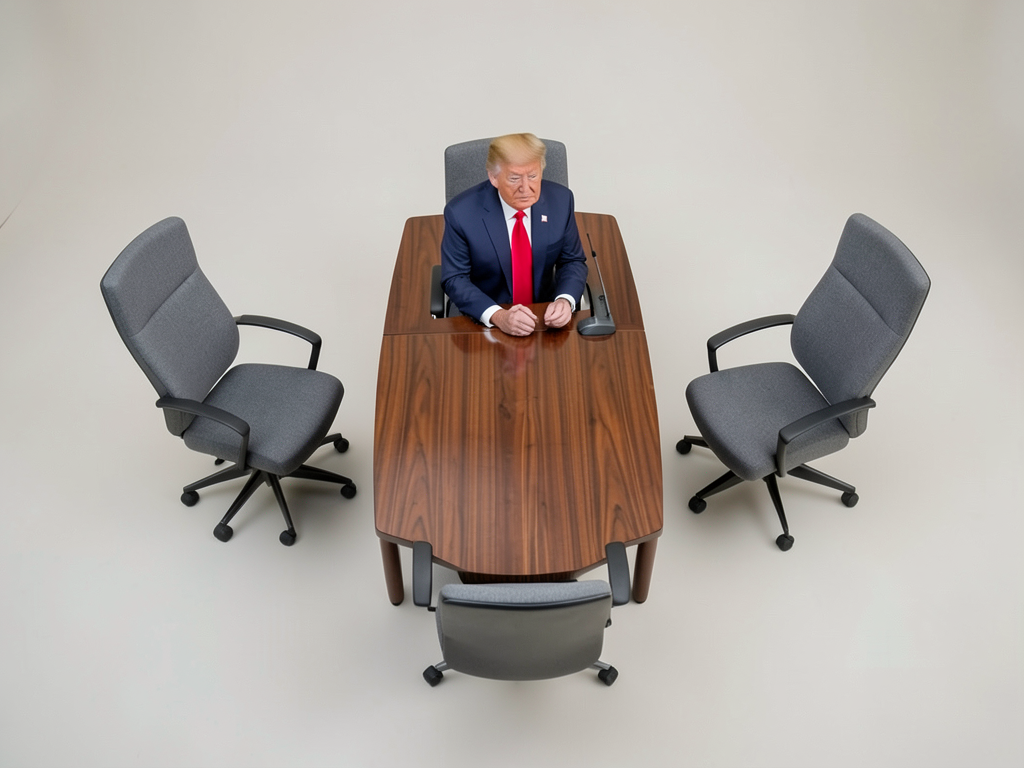
The world’s three most powerful leaders are preparing to sit down together for the first time in history, a development that could have far-reaching consequences for countries like Pakistan caught in the crosscurrents of great power competition.
US President Donald Trump will meet jointly with Chinese President Xi Jinping and Russian President Vladimir Putin next week on the sidelines of the Asia-Pacific Economic Cooperation summit, the White House confirmed Friday. The unprecedented trilateral gathering is scheduled for November 19 in the southern Chinese city of Shenzhen, according to Russian officials, though Beijing has yet to formally confirm the venue.
The meeting represents a dramatic shift in global diplomacy, bringing together leaders whose nations have spent years locked in strategic rivalry across multiple fronts—from trade wars to military buildups to competing visions of world order.
According to White House officials, Trump intends to focus the discussion on nuclear weapons reduction, a topic he considers urgently important given what he views as dangerous proliferation trends. The American president also plans to raise his ongoing military campaign in Iran, seeking input or coordination from the other two powers.
Notably absent from the agenda, however, will be Russia’s war in Ukraine. US officials explained that Washington is pursuing separate negotiation tracks with Moscow and Kyiv to end that conflict, and since China is not directly involved in those talks, the Ukraine situation will not feature in the three-way discussion.
The meeting comes at a moment when all three leaders have extensive bilateral relationships with each other, but have never convened together in this format. Xi and Putin have met dozens of times since 2013, forging what both describe as a deep strategic partnership. Trump has held separate meetings with both leaders during his political career, though US-China and US-Russia relations have been marked by tension and competition.
For Pakistan, the summit carries significant weight. Islamabad maintains a decades-long strategic partnership with Beijing, which has invested billions in infrastructure projects across the country. At the same time, Pakistan’s relationship with Washington remains complex and consequential, involving security cooperation, economic ties, and ongoing diplomatic engagement. Meanwhile, Pakistan has been steadily strengthening its relationship with Moscow in recent years, particularly in energy and defense sectors.
The outcome of this trilateral meeting could influence everything from regional security arrangements to economic partnerships to the balance of power in South Asia. Pakistani officials will be watching closely to see whether the three leaders find common ground or whether their competing interests continue to define the global landscape.
What happens when the world’s most powerful men sit down together could reshape the international order—and Pakistan’s place within it.