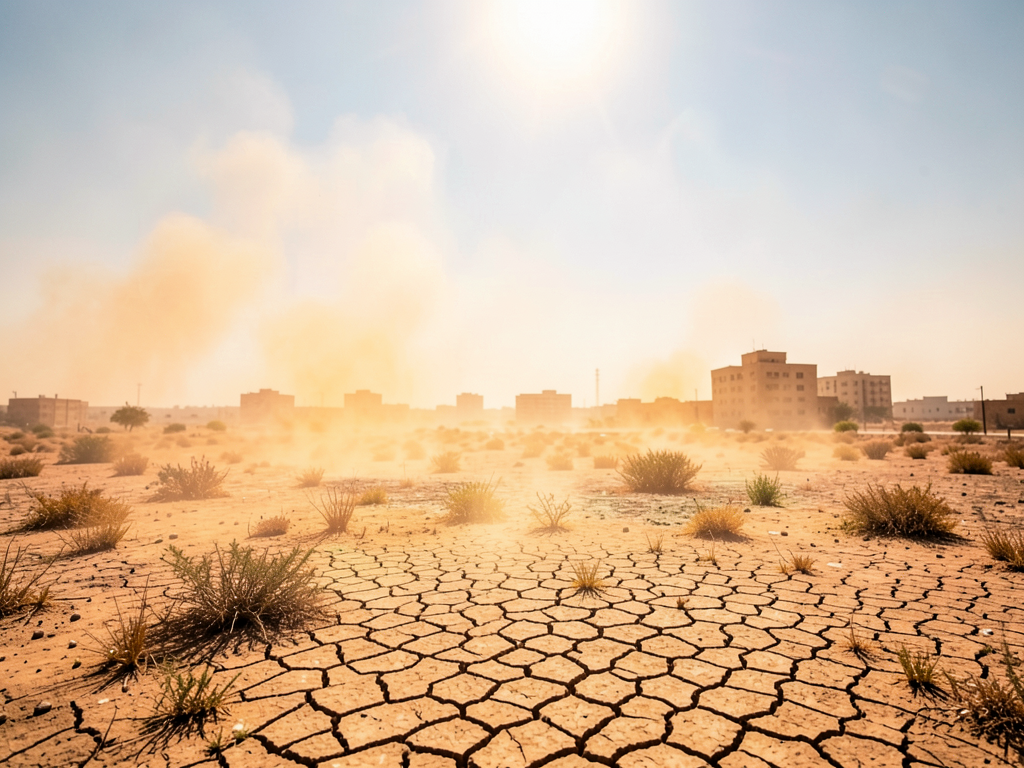
Pakistan is preparing for a severe heatwave emergency as the National Disaster Management Authority issued a high-level alert on Monday, warning that dangerously high temperatures will grip large swathes of the country for an entire week starting May 19.
The alert, which remains in effect until May 26, covers more than 40 districts across Punjab, Sindh, and Balochistan, where temperatures are expected to remain exceptionally elevated for three to five consecutive days. The timing could not be more critical, coming just weeks before Eid ul Adha when millions of Pakistanis will be outdoors for religious observances and livestock management.
In Punjab, major population centers including Lahore, Multan, and Bahawalpur are bracing for extreme heat, alongside southern districts such as Rahim Yar Khan, Dera Ghazi Khan, and Muzaffargarh. The province’s agricultural heartland faces potential damage to standing crops and livestock during a crucial growing period.
Sindh appears particularly vulnerable, with Karachi, Hyderabad, and nearly every major district from Jacobabad to Badin placed on alert. The combination of soaring temperatures and rising humidity levels in lower Sindh creates especially dangerous conditions that could trigger widespread heat-related medical emergencies.
Balochistan’s already harsh climate will intensify further, with districts including Turbat, Sibi, and Lasbela expected to experience some of the country’s highest temperatures. The dry inland conditions across the province will compound thermal stress on residents and livestock alike.
Health authorities are particularly concerned about vulnerable populations. Children, elderly citizens, and the millions of outdoor workers who form the backbone of Pakistan’s informal economy face heightened risks of heat exhaustion, severe dehydration, and potentially fatal heatstroke. The NDMA specifically warned that prolonged exposure during peak afternoon hours could prove life-threatening.
The heatwave’s impact extends far beyond public health. Electricity demand is expected to surge dramatically as households and businesses increase air conditioning use, potentially triggering load-shedding that would leave communities without cooling options during the most dangerous hours. Healthcare facilities are preparing for a potential influx of heat-related cases that could strain already stretched resources.
Agriculture and livestock sectors face serious threats, with extreme temperatures capable of damaging crops, reducing yields, and causing animal deaths. Labour productivity across construction, agriculture, and other outdoor industries will likely plummet, affecting daily wage earners who cannot afford to stop working despite the dangerous conditions.
District administrations across affected regions have been ordered to activate emergency heatwave response plans immediately. Authorities are establishing cooling camps in vulnerable neighborhoods and working to ensure uninterrupted water supplies, though implementation remains uneven across different districts.
Officials are urging citizens to take the threat seriously by avoiding unnecessary outdoor activities between noon and 5 PM, staying continuously hydrated, and checking on vulnerable neighbors and family members. Schools in some districts may consider adjusted schedules to protect students.
The alert comes as Pakistan continues grappling with increasingly frequent and intense extreme weather events linked to climate change, with heatwaves becoming more common and severe across South Asia in recent years.