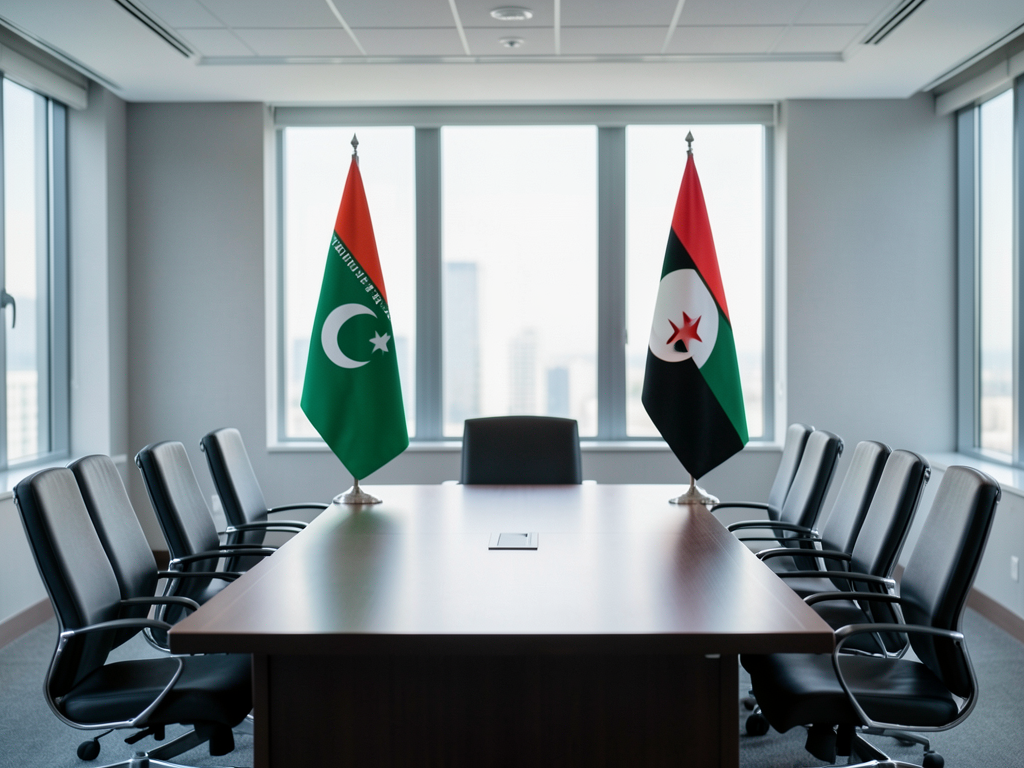
Pakistan’s role as mediator between Iran and the United States has fundamentally transformed the country’s international standing, Prime Minister Shehbaz Sharif declared this week, describing the diplomatic achievement as among the proudest chapters in the nation’s history.
In his first major interview since conflict erupted between Washington and Tehran in February, the premier told international media that Pakistan had emerged as an “honest mediator” trusted by both sides and credited with helping secure an extended ceasefire that continues to hold.
“Peace is never won easily,” PM Shehbaz said. “You have to have patience, sagacity and ability to move things despite the most difficult challenges.”
The prime minister expressed confidence that another round of face-to-face negotiations could take place in Islamabad, potentially paving the way toward a permanent resolution between the two longtime adversaries.
Pakistan’s diplomatic intervention came after coordinated American and Israeli strikes on Iran in late February triggered a regional crisis that saw Tehran retaliate against Israeli and US targets while effectively closing the Strait of Hormuz, a critical chokepoint for global energy supplies.
Islamabad hosted direct talks between Iranian and American delegations in mid-April, though those discussions ended without a final agreement on core issues including Iran’s nuclear programme, missile capabilities, and control over the strategic waterway.
Despite the impasse, PM Shehbaz emphasized that both Iran and the United States continue to trust Pakistan’s role in the process. He thanked US President Donald Trump and Iranian President Masoud Pezeshkian for accepting Pakistan’s invitation to negotiate.
The prime minister praised the coordinated efforts of Pakistan’s political and military leadership, singling out Field Marshal Asim Munir for what he called a “critical role” that would be recorded in history. Foreign Minister Ishaq Dar also received recognition for tireless diplomatic outreach.
“Our international image has completely changed through this partnership of our political and military hierarchy,” PM Shehbaz said, adding that Pakistan had been placed in a “prestigious position.”
Interior Minister Mohsin Naqvi traveled to Tehran over the weekend to sustain momentum in the peace process, holding a 90-minute meeting with President Pezeshkian and separate discussions with Iran’s parliament speaker Mohammad Bagher Ghalibaf, who participated in the Islamabad talks.
During those meetings, Iranian officials thanked Pakistan for refusing to allow its territory to be used for military action against Tehran and praised Islamabad’s stance throughout the crisis.
However, significant obstacles remain. Iranian Foreign Minister Abbas Araghchi said Friday that Tehran has “no trust” in Washington and will only negotiate if the US demonstrates genuine seriousness. He described the mediation process as facing “difficulty” rather than outright failure.
Pakistan confirmed last week that it received Iran’s response to an American proposal and forwarded it to Washington. Foreign Office officials said the peace process remains active despite the challenges.
The conflict has severely disrupted global energy markets, with the Strait of Hormuz—which previously handled roughly one-fifth of the world’s oil and gas supply—effectively closed to most shipping since February.
PM Shehbaz also addressed regional security concerns, defending Pakistan’s recent military operations against militant positions in Afghanistan. He said Islamabad had repeatedly sought peaceful dialogue with Kabul but was left with no choice after terrorist groups continued operating from Afghan soil.
“Our only demand was they commit not to let those terrorist outfits operate from Kabul,” the prime minister said.
The premier additionally thanked President Trump for previously helping negotiate a ceasefire between Pakistan and India, saying the intervention may have prevented a “major catastrophe in South Asia.”
As diplomatic efforts continue, Pakistan appears determined to leverage its newfound credibility as a neutral broker capable of bridging deep divides between global powers—a role that could reshape its international relationships for years to come.