A powerful cyclone has claimed at least six lives and left vast areas without electricity along India’s eastern seaboard, with rescue operations continuing as authorities assess the full scale of destruction.
Cyclone Arnab, which slammed into Andhra Pradesh state early Wednesday morning, brought torrential rains and fierce winds that toppled trees, flattened homes, and knocked out power infrastructure across multiple districts. Indian meteorological authorities had classified Arnab as a “very severe cyclonic storm”—the third-most dangerous category in their warning system.
The fatalities resulted from electrocutions and people being crushed by falling trees and collapsing buildings, according to local officials. Some Indian media outlets have reported the death toll may be as high as nine, though official figures remain at six as of Thursday evening.
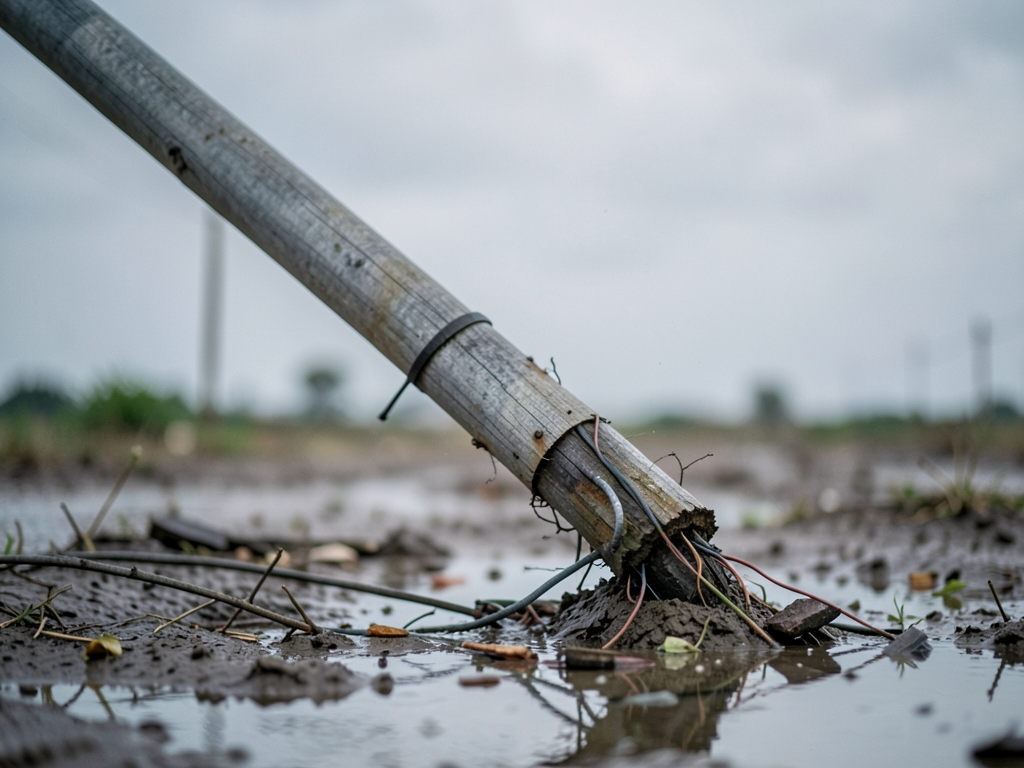
The storm’s fury destroyed approximately 15,000 electricity poles throughout the affected region, leaving communities in darkness and hampering relief efforts. Andhra Pradesh Chief Minister N Chandrababu Naidu confirmed that power has been restored to most districts, but Konaseem and West Godavari remain without electricity as repair crews work around the clock.
In a dramatic maritime incident, a Marshall Islands-registered cargo vessel carrying 20 crew members ran aground off the Andhra Pradesh coast during the height of the storm. The ship remained stuck Thursday as rough seas prevented rescue operations, raising concerns for the safety of those aboard.
Chief Minister Naidu credited improved weather forecasting technology and early warning systems for preventing a higher death toll. Authorities had identified high-risk zones before the cyclone’s arrival, allowing for evacuations and preparations that officials believe saved numerous lives.
By Thursday, the cyclone had weakened to a depression as it moved northward over southern Chhattisgarh and adjoining areas of Odisha state, traveling at approximately 18 kilometers per hour. However, meteorological officials warned that heavy rainfall could continue in the storm’s path.
The disaster highlights the increasing frequency and intensity of cyclonic storms hitting India’s eastern coastline, particularly during the monsoon transition periods. Andhra Pradesh and neighboring states have experienced several devastating cyclones in recent years, prompting investments in early warning infrastructure and disaster preparedness.
Relief operations are now underway, with state and national disaster response teams deployed to affected areas. The government is working to restore essential services, clear debris, and provide assistance to families who lost homes or livelihoods in the storm.