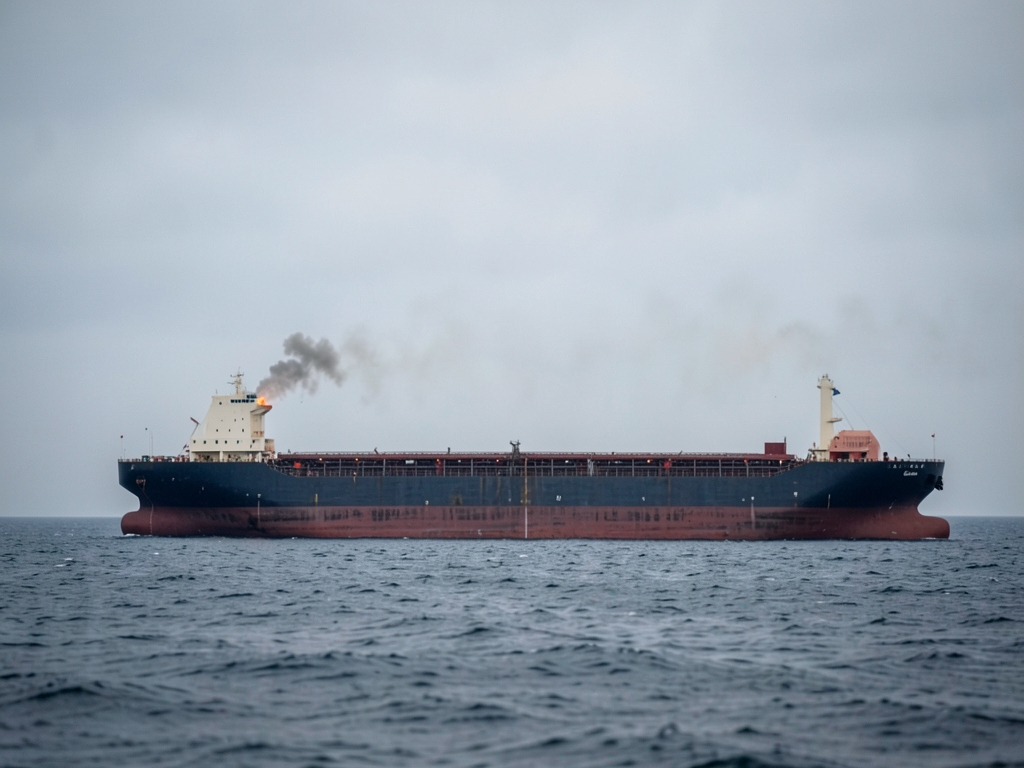
Three oil tankers caught fire after striking naval mines in waters south of the Strait of Hormuz, Iran’s Islamic Revolutionary Guard Corps announced Thursday, escalating a crisis that threatens Pakistan’s vital energy supply lines.
The IRGC navy said the vessels exploded after using an unauthorized route and ignoring repeated warnings. According to Iranian state media, the tankers had switched off their radar and navigation systems before being abandoned along the strait’s southern coast.
The incident comes as diplomatic efforts to reopen the Strait of Hormuz—through which a significant portion of Pakistan’s oil imports pass—remain deadlocked despite intensive mediation by Qatar and other regional powers.
Iran’s Foreign Minister Abbas Araghchi said Wednesday that Tehran continues discussions with mediators on implementing a seven-day plan to end the regional conflict and reopen the strategic waterway. He emphasized that Iran’s armed forces remain on high alert while diplomacy proceeds.
The proposed plan would reopen Hormuz within seven days if certain conditions are met, including a broader Middle East ceasefire, unfreezing of Iranian assets, lifting of oil sanctions, and ending the US naval blockade. However, negotiations have stalled over fundamental disagreements about sequencing and nuclear inspections.
US Vice President JD Vance reportedly sent a letter to Iran’s security chief Mohsen Rezaei in an attempt to revive peace talks, according to the Wall Street Journal. President Donald Trump confirmed discussions were underway regarding medical supplies and humanitarian assistance, though he downplayed directing any formal diplomatic outreach.
Meanwhile, Iran announced it captured two American surveillance drones—an MQM-170 and an MQ-1—using electronic warfare and air defense systems in the Hormuz region. Iranian media said one drone had taken off from a southern Persian Gulf state.
Iranian President Masoud Pezeshkian declared Thursday that regional countries can ensure their own security through cooperation without US involvement. Speaking at a local holiday event, he criticized American military spending and accused Washington of justifying its presence under false pretenses.
The conflict, which began in late February with US and Israeli strikes on Iran, has disrupted global shipping and energy markets for eight months. Recent weeks have seen the crisis expand, with Yemen’s Houthi forces launching attacks on Saudi Arabia’s largest oil refinery at Ras Tanura, pushing crude prices above $115 per barrel.
Qatari mediators presented Iran with a new draft peace proposal during talks in Tehran on Sunday, according to an official briefed on negotiations. However, a senior Iranian official dismissed the ideas as unacceptable, saying Tehran’s policy on nuclear issues remains unchanged.
Washington wants Iran’s nuclear program addressed from the outset of any settlement, while Tehran insists its seven conditions be met first. An earlier framework agreement signed in June quickly collapsed over disagreements about navigation freedom and security in Hormuz.
For Pakistan, the stakes could not be higher. Any prolonged closure of the Strait of Hormuz would severely impact fuel supplies and drive up energy costs at a time when the country is already managing economic pressures. Pakistani officials have participated in regional mediation efforts, recognizing that stability in the Persian Gulf directly affects national energy security.
As tensions continue, the international community watches anxiously to see whether diplomacy can prevent further escalation and reopen the waterway that serves as a lifeline for energy-dependent nations across Asia.