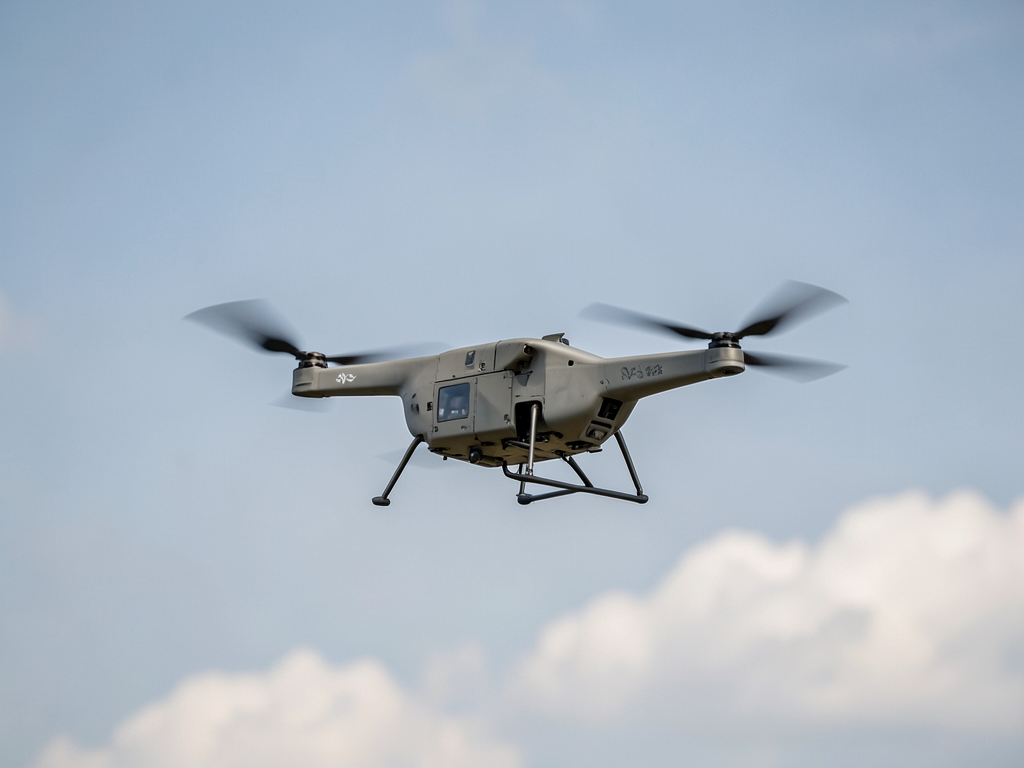
A massive wave of more than 600 Ukrainian drones descended on the Moscow region overnight, marking one of the most significant aerial assaults on the Russian capital since the war began, according to Moscow’s mayor.
Sergei Sobyanin announced early Thursday that 613 unmanned aerial vehicles approached Moscow between Wednesday night and Thursday morning. Russian air defense systems intercepted the majority on distant approaches, with 231 drones destroyed closer to the city limits, he stated via social media.
The timing of the attack carries particular significance. Moscow is currently hosting a two-day Russia-Africa summit attended by leaders from 22 African nations, according to Kremlin officials. The high-profile gathering underscores Russia’s efforts to strengthen diplomatic and economic ties across the continent, even as the conflict with Ukraine intensifies.
Ukrainian authorities also reported facing their own barrage overnight, with Russian strikes hitting multiple regions. In the Rivne area, one man was killed in the attacks, highlighting the continued toll on both sides of the conflict.
The drone warfare between Moscow and Kyiv has dramatically escalated in recent months. Both nations have increasingly relied on unmanned aerial vehicles and other projectiles to strike deep into enemy territory. In mid-September, Ukraine launched approximately 1,600 drones toward Moscow in a single day—the largest such operation recorded since the war’s outbreak.
Despite the intensifying attacks, both countries are reportedly preparing to resume peace negotiations next month. The talks, expected to take place with United States mediation, represent a potential diplomatic opening even as military operations continue unabated.
The scale of Thursday’s drone assault demonstrates Ukraine’s growing capability to project force deep into Russian territory, challenging Moscow’s air defense systems and potentially affecting civilian morale in the capital. For Russia, the attack during an international summit could be seen as an embarrassment, though officials emphasized their success in neutralizing most threats.
The conflict’s continuation carries implications far beyond the immediate battlefield. Russia remains a major global supplier of wheat, fertilizers, and energy resources. Any escalation that disrupts these exports could ripple through international markets, affecting food and fuel prices worldwide. Pakistan, which imports significant quantities of wheat and maintains balanced diplomatic relations with both Russia and Western nations, watches these developments with particular concern.
As winter approaches and both sides demonstrate their capacity for sustained long-range strikes, the path forward remains uncertain. Whether next month’s planned negotiations can produce meaningful progress toward peace, or whether the drone wars will continue to escalate, remains an open question with consequences reaching far beyond Eastern Europe.