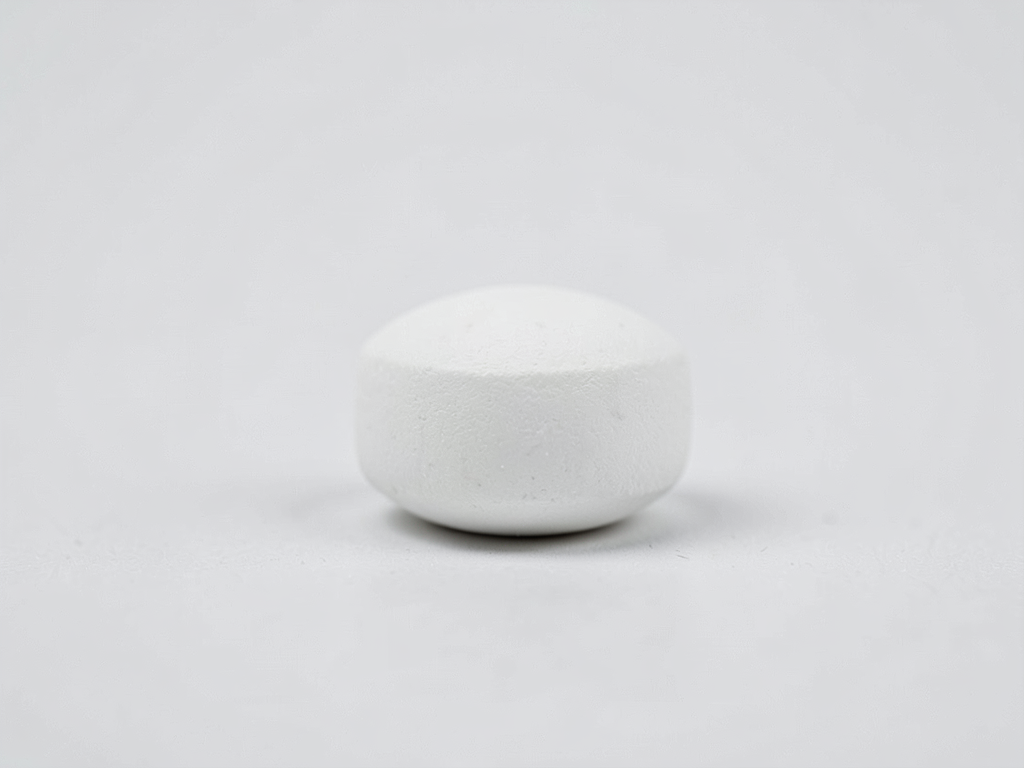
Iranian health officials have begun distributing potassium iodide tablets to 180,000 residents in Bushehr, the southern coastal city housing Iran’s sole operational nuclear power plant, in what authorities describe as emergency radiological preparedness amid escalating fears of American military action.
The mass distribution, which initially focused on neighborhoods within 2-3 kilometers of the nuclear facility before expanding citywide, represents Tehran’s most concrete public acknowledgment yet of potential nuclear-related threats following recent US warnings.
The move comes after US President Donald Trump declared in early November that Washington could strike Iran’s suspected nuclear installations within ten minutes, specifically naming Pickaxe Mountain, believed to be an underground nuclear site. The warning followed a joint US-Israeli military offensive against Iranian targets launched in late February, dramatically raising regional tensions.
Potassium iodide tablets work by saturating the thyroid gland with non-radioactive iodine, preventing the absorption of radioactive iodine released during nuclear accidents or attacks. However, health experts note these pills offer no protection against other radioactive materials or external radiation exposure, meaning their distribution signals preparation for specific nuclear facility damage scenarios rather than comprehensive nuclear war readiness.
Bushehr’s nuclear power plant, situated along Iran’s Persian Gulf coastline, has long been a focal point of international concern. The facility’s proximity to major shipping lanes and neighboring countries makes any radiological incident there a matter of urgent regional concern.
Iranian crisis management authorities approved the tablet distribution as part of broader civil defense measures, though officials have not publicly confirmed whether the decision directly responds to Trump’s recent threats or represents routine emergency planning.
The timing has nonetheless sparked widespread anxiety both within Iran and across neighboring states. Regional security analysts warn that any US military action targeting Iranian nuclear infrastructure could trigger unpredictable consequences, including potential radioactive contamination, retaliatory strikes, and broader regional conflict.
For countries sharing borders or close proximity to Iran, the prospect of nuclear facility strikes raises immediate environmental and security questions. The distribution of radiation protection tablets to civilian populations near potential strike zones underscores how seriously Iranian authorities are taking current threat assessments.
While iodine tablet distribution is standard protocol in countries with nuclear facilities, the scale and timing of Iran’s current campaign—combined with explicit US strike warnings—marks an unprecedented public preparation for potential nuclear-related military action in the Middle East.
The situation continues developing as diplomatic channels remain strained and military posturing intensifies on both sides.