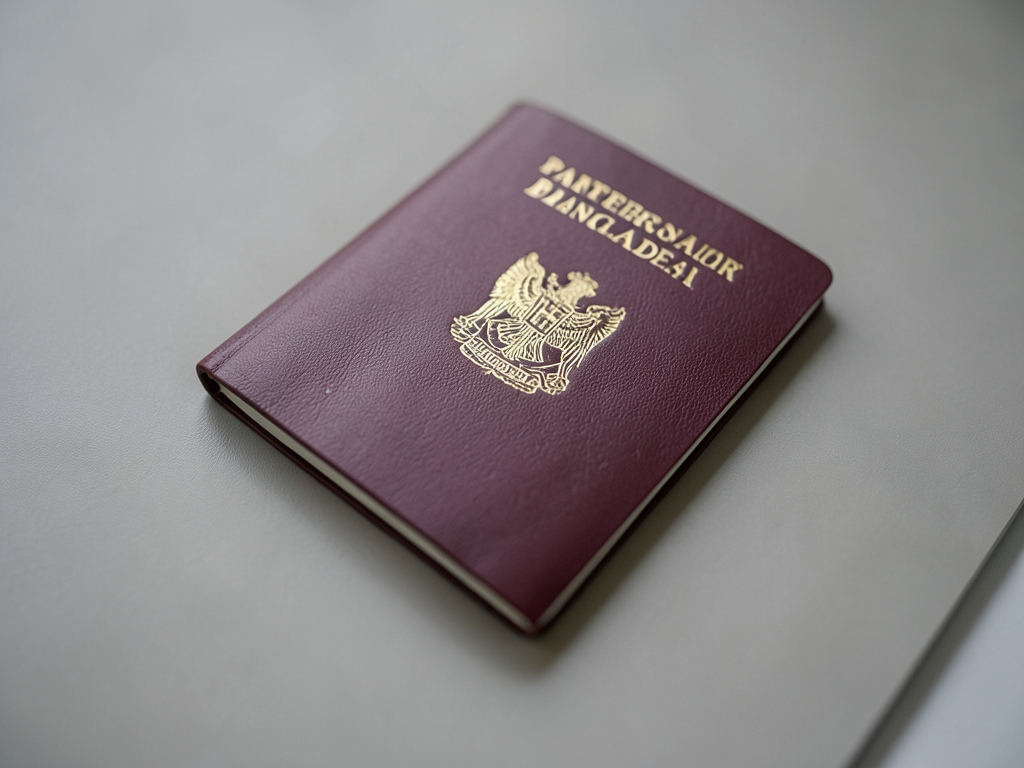
Former Bangladeshi Prime Minister Sheikh Hasina has taken her most concrete step yet toward returning home, formally requesting a new passport and national identity card from Bangladesh’s embassy in New Delhi—a move that could ignite fresh political turmoil across South Asia and directly impact Pakistan’s strategic interests.
Hasina’s London-based legal team submitted the request on Monday, citing the reported cancellation of her existing documents by Bangladesh’s interim government. The letter, seen by international media, asks authorities to expedite processing based on her citizenship rights and international human rights obligations.
The 77-year-old leader fled to India in mid-2024 after a massive student-led uprising ended her two-decade grip on power. Since then, she has lived in self-imposed exile while facing mounting legal troubles back home, including a death sentence handed down in absentia last November by Bangladesh’s war crimes tribunal for allegedly ordering deadly force against protesters.
Hasina has consistently denied the charges and recently told media outlets she intends to return and surrender before the courts. Her legal team says an exact date will be announced once administrative formalities are complete, though neither Bangladesh’s acting high commissioner in Delhi nor officials in Dhaka have publicly responded to the passport request.
The potential homecoming carries enormous stakes. Hasina’s Awami League, once Bangladesh’s dominant political force, has been banned following her ouster. Scores of party leaders remain imprisoned or scattered in exile across India and beyond. Yet Hasina retains significant grassroots support among segments of the Bangladeshi population, meaning her return could deepen existing political fractures just as the interim government struggles to restore order after more than two years of instability.
For Pakistan, developments in Bangladesh matter profoundly. The two nations share deep historical, cultural, and economic ties, and political upheaval in Dhaka reverberates across the region. Bangladesh’s current tensions with India—sparked partly by New Delhi’s decision to shelter Hasina—have already shifted regional power dynamics. Islamabad watches closely as any major political shift in Bangladesh could affect trade corridors, security cooperation, and the broader balance of influence in South Asia.
Some analysts suggest Hasina’s return might paradoxically ease Bangladesh-India relations, potentially altering the strategic landscape Pakistan navigates. Others warn her comeback could trigger violent unrest, refugee flows, and economic disruption that would ripple across borders.
The interim government led by Prime Minister Tarique Rahman has not indicated whether it will honor the passport request or allow Hasina’s return. Legal experts note that while citizenship cannot easily be revoked, authorities could delay or deny travel documents on security grounds.
As Hasina’s lawyers press forward with their application, the region braces for what could become one of South Asia’s most dramatic political episodes in recent memory—one with consequences extending far beyond Bangladesh’s borders.