Iran’s top security official has issued a stark warning to the United States, threatening to strike American military installations across Europe if Washington launches further attacks on the Islamic Republic. The threat comes as shipping incidents in the critical Strait of Hormuz intensify, sending shockwaves through global energy markets and raising alarm bells in Islamabad.
Mohsen Rezaei, secretary of Iran’s Supreme National Security Council, told Lebanon’s Al-Mayadeen television that Tehran would not limit its response to nearby US bases. If American warplanes take off from distant military installations to bomb Iran, those bases would become targets, he warned. Rezaei claimed Iran’s defensive and offensive capabilities have grown significantly since the conflict began, though he did not name specific countries or facilities.
The security chief also declared that Iran would never allow even a single particle of enriched nuclear material to leave the country, rejecting Washington’s insistence that nuclear issues must be part of any negotiated settlement. Iranian Foreign Minister Abbas Araghchi separately criticized US Secretary of State Marco Rubio, accusing American officials of pursuing delusional policies that have repeatedly failed.
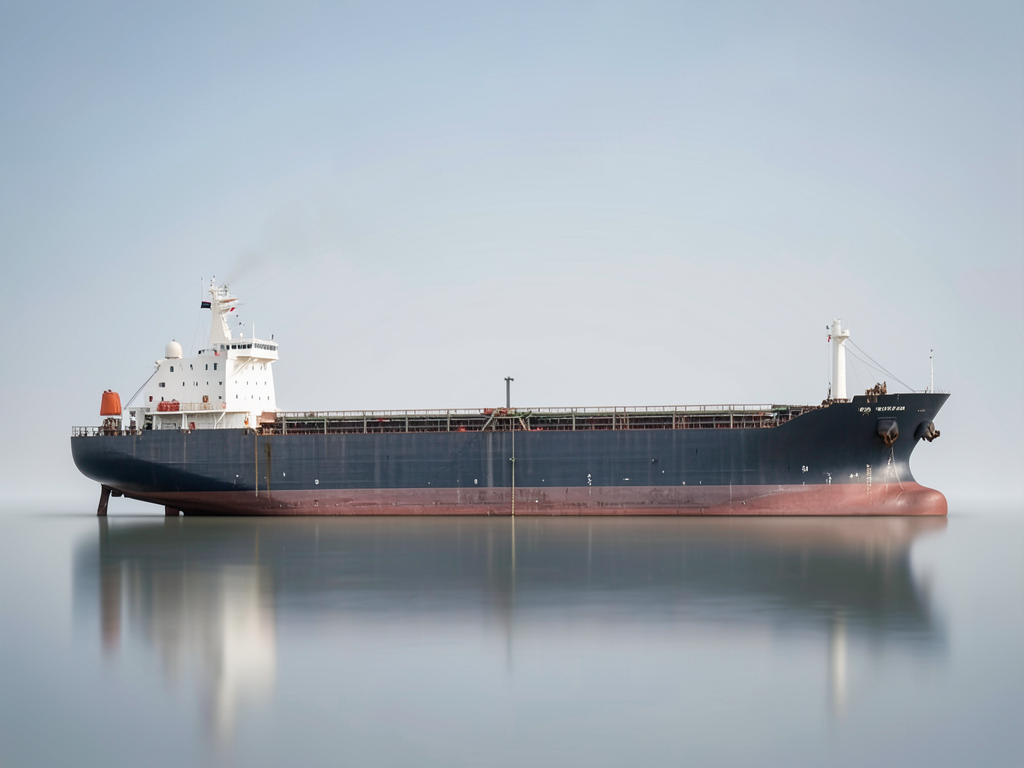
Meanwhile, violence in the Strait of Hormuz—the world’s most important oil chokepoint—continues to escalate. On Tuesday, a projectile struck a Liberia-flagged tanker carrying Indian crew members, injuring four people including one Indian national. Iran’s Revolutionary Guards claimed two other tankers caught fire after hitting naval mines on an unauthorized route through the strait.
October saw the highest monthly total of shipping attacks since the Middle East war began, with 37 vessels targeted according to the Washington Institute for Near East Policy. November data shows little sign of improvement, fueling concerns about the safety of commercial shipping through waters that handle roughly one-fifth of global oil trade.
Oil prices swung sharply on Wednesday, climbing more than one percent after falling to two-month lows the previous day. Brent crude rose above $92 per barrel while US West Texas Intermediate climbed toward $87. Traders are caught between hopes for diplomatic de-escalation and fears that continued attacks could disrupt energy supplies.
Analysts warn that even if a diplomatic agreement is reached, restoring normal shipping through the strait would require extensive mine clearance operations, higher insurance costs, and shipowners willing to accept the risks. The uncertainty is already affecting crude flows from the Middle East.
Prime Minister Shehbaz Sharif met with Iranian President Masoud Pezeshkian on the sidelines of the UN climate summit in Turkey on Wednesday. The Pakistani leader expressed deep concern over the prolonged conflict and emphasized the need for dialogue, restraint, and sustained diplomatic engagement. He underscored the importance of building on understandings reached under the Islamabad Memorandum of Understanding signed in June.
President Pezeshkian appreciated Pakistan’s consistent diplomatic support and efforts for regional peace and security, according to the Prime Minister’s Office.
Elsewhere, a drone attack on Russia’s Ust-Luga port on the Baltic Sea injured three workers, while Russian oil refining capacity has reportedly dropped by 30 percent since late October due to Ukrainian drone strikes. Russian and Ukrainian officials held their first peace talks since February in Abu Dhabi on Tuesday.
The escalating tensions leave Pakistan in a precarious position. Any prolonged disruption to Strait of Hormuz shipping could send oil prices soaring, directly impacting Pakistan’s already fragile economy through higher fuel costs and inflation. The country also has hundreds of thousands of workers employed in Gulf states whose safety and remittances could be threatened by wider regional conflict.