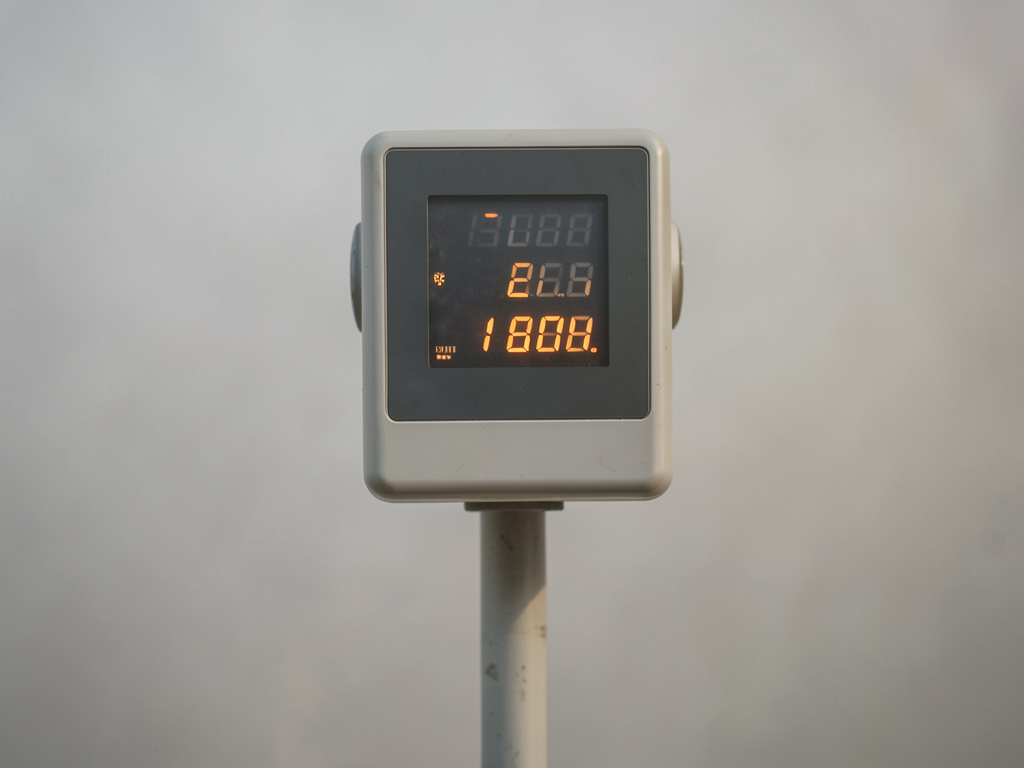
India’s capital New Delhi has overtaken Lahore to claim the unwanted distinction of being the world’s most polluted city, as hazardous air quality and thick smog descended on the metropolis of 20 million people on Friday.
According to Swiss air quality monitoring group IQAir, Delhi recorded an Air Quality Index reading of 334, classified as hazardous and placing it at the top of global pollution rankings. India’s official pollution control authority measured the figure even higher at 403, categorizing conditions as severe.
The shift marks a grim milestone in the ongoing environmental crisis affecting both Pakistan and India. Just one day earlier, Lahore held the top spot on global pollution charts, with multiple Pakistani cities recording AQI levels exceeding 500—a threshold considered extremely dangerous to human health.
Videos from Delhi showed vehicles emerging from dense fog-like smog that obscured street lights along major thoroughfares. The toxic haze has reduced visibility dramatically across the Indian capital, creating conditions similar to those experienced regularly in Lahore during winter months.
Lahore’s air quality showed marginal improvement on Friday, with readings dropping from 444 to 346 within 24 hours. However, the city remained in second place globally with IQAir recording fluctuating readings between 344 and 371 throughout the day. Despite the slight decline, pollution levels remained at extremely hazardous levels for the city’s 13 million residents.
The crisis extends far beyond the two capitals. Multiple cities across Pakistan’s Punjab province recorded catastrophic air quality measurements. Raiwind registered an AQI of 519, Bahawalpur hit 515, and Multan reached 507. Gujranwala, Kasur, Jhang, Nankana Sahib, Okara, Pakpattan and Sahiwal all recorded readings at or near the maximum measurable level of 500.
A recent analysis by the Pakistan Air Quality Initiative found that pollution in Lahore has surged 32 percent compared to the same period last year, indicating a worsening trend despite government intervention efforts.
The toxic air blanketing both countries stems from multiple sources. Cold winter air traps pollutants close to ground level, while vehicle emissions, construction dust, and smoke from agricultural burning combine to create a dangerous cocktail. Farmers in both Pakistan and India traditionally burn crop residue after harvest, contributing massive amounts of particulate matter to the atmosphere.
The variations in AQI readings between different monitoring systems reflect differences in measurement methodologies and classification scales. However, regardless of the exact numbers, health experts agree that current conditions pose severe risks to public health, particularly for children, elderly people, and those with respiratory conditions.
Both governments have implemented emergency measures in recent weeks, including school closures, construction bans, and restrictions on certain vehicles. However, the recurring nature of the crisis each winter suggests that more comprehensive long-term solutions are needed to protect millions of people from breathing toxic air for months each year.