India has prevented more than 100 international speakers from participating in a major democracy summit organized by the opposition Congress party, triggering sharp criticism over growing censorship and democratic backsliding under Prime Minister Narendra Modi’s government.
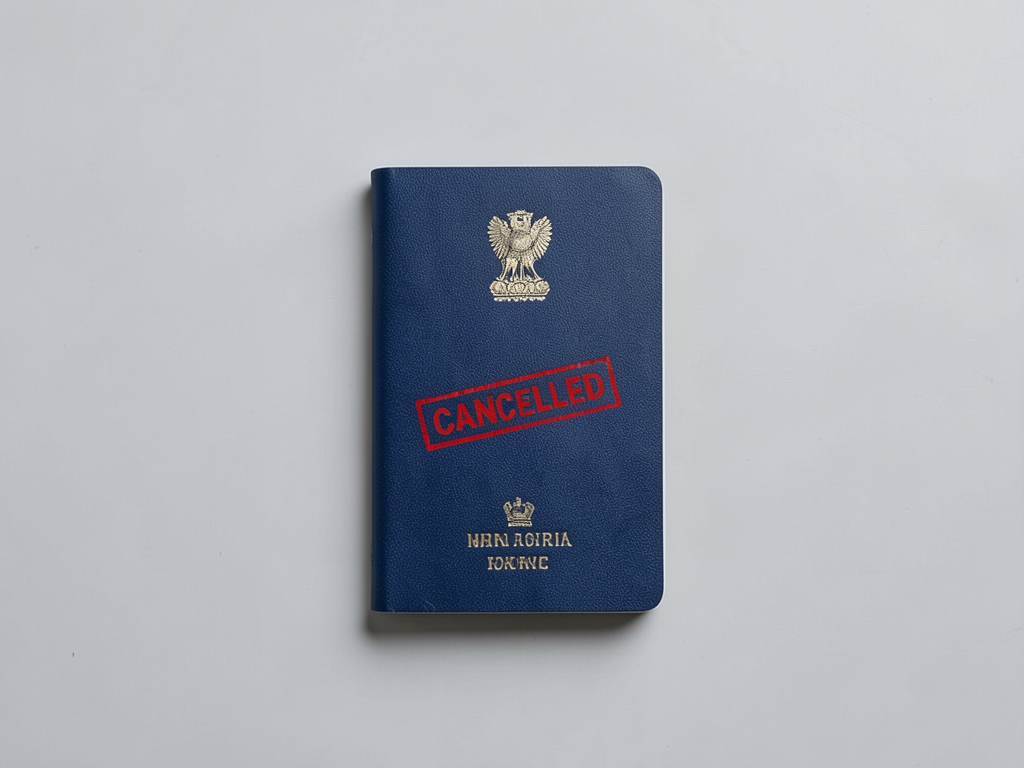
Shashi Tharoor, a prominent Congress Member of Parliament and former senior United Nations diplomat, revealed on Friday that 115 out of 315 foreign speakers initially cleared by India’s foreign ministry were subsequently barred from attending. According to Tharoor, their visas were either cancelled or they were refused entry, allegedly on direct orders from the home ministry.
The dramatic intervention has raised serious questions about the legal basis for such sweeping restrictions. Tharoor publicly challenged the government’s actions, stating it remains “completely unclear” under which legal provision such drastic measures were justified. He expressed dismay that a nation proud of its democratic traditions has become so threatened by potential criticism that it must silence external voices.
The Editors Guild of India, a prominent media watchdog, has condemned the visa cancellations, adding its voice to growing concerns about shrinking space for dissent and open dialogue in the country.
This incident comes amid mounting international scrutiny of India’s democratic health. The blocking of foreign participants from a conference explicitly focused on democracy sends a powerful signal about the current government’s tolerance for critical perspectives, particularly those originating outside India’s borders.
The timing is particularly significant as India positions itself as a global democratic leader and seeks greater international influence. Critics argue that such heavy-handed tactics undermine India’s credibility on the world stage and contradict its claims to democratic values.
The controversy also highlights the increasing power of India’s home ministry, which oversees internal security and immigration, to override decisions made by other government departments. The foreign ministry’s initial approval of the speakers suggests internal government disagreement over how to handle the opposition-organized event.
For the Congress party, which has struggled to mount effective opposition to Modi’s Bharatiya Janata Party, the government’s intervention may paradoxically draw more attention to their democracy summit than the event itself might have generated. Opposition leaders are likely to use this episode as evidence of what they characterize as authoritarian tendencies within the current administration.
The incident adds to a pattern of actions that civil society groups and international observers say demonstrate democratic erosion in India, including restrictions on press freedom, crackdowns on non-governmental organizations, and limitations on political opposition activities.
As India approaches crucial election periods and continues its rise as a regional power, the treatment of dissenting voices and international engagement with opposition groups will remain under close watch both domestically and internationally.