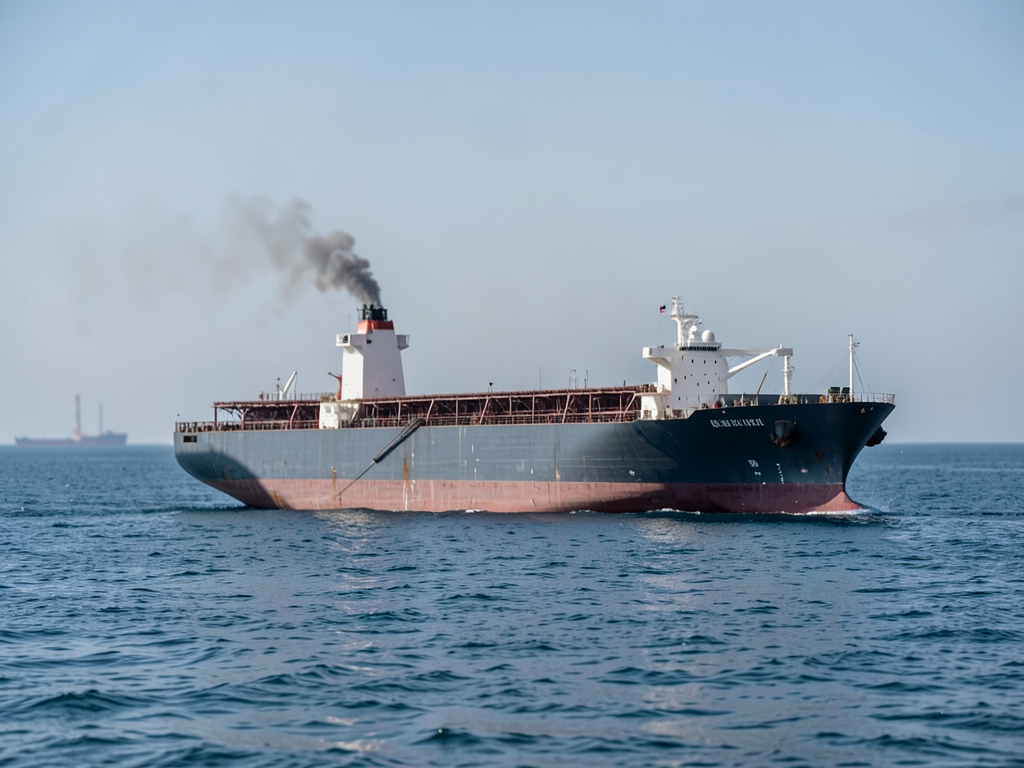
A dangerous escalation unfolded in the Persian Gulf early Sunday as Iran’s Revolutionary Guards claimed responsibility for a drone strike on a United States military radar installation in Bahrain, while two oil tankers caught fire after striking naval mines in the Strait of Hormuz, threatening a vital artery for Pakistan’s energy security.
Explosions echoed across Bahrain’s capital before dawn, prompting authorities to sound alarm sirens and urge residents to seek immediate shelter. The Revolutionary Guards announced they had dispatched six drones to target an American air defense radar system at the Al-Riffa helicopter base, declaring the Strait of Hormuz closed to navigation and warning that any American military response would trigger an even more devastating counterattack.
Bahraini defense forces reported intercepting and destroying multiple Iranian aerial attacks before they reached their intended targets, though the extent of any damage remains unclear. The kingdom, which hosts a major US naval facility, condemned what it called Iran’s systematic hostile approach and announced its military units remain on highest alert.
Simultaneously, Iran’s Revolutionary Guards Navy reported that two commercial tankers had suffered explosions and were burning after hitting naval mines in the Strait of Hormuz, the narrow waterway through which roughly one-fifth of global oil supplies pass. Independent verification of these incidents has proven difficult amid the chaos.
For Pakistan, which imports approximately 85 percent of its crude oil requirements and depends heavily on Gulf energy supplies, the escalating violence in the Strait of Hormuz represents a direct threat to economic stability. Any prolonged disruption to shipping through this chokepoint would force Pakistani refineries to seek alternative, more expensive supply routes, potentially driving up fuel costs for consumers already struggling with inflation.
The crisis has been building for months. Since late February, when tensions between Washington and Tehran exploded into open conflict, Iran has systematically targeted shipping through the strait, striking at least 37 vessels in October alone according to regional security analysts. Environmental damage is mounting, with oil slicks from damaged tankers washing ashore in Oman and the United Arab Emirates.
US Central Command has worked to maintain Gulf oil exports, helping regional producers ship 1.5 billion barrels through Hormuz since summer despite Iranian interference. American forces have also enforced a naval blockade of Iranian ports, recently disabling a cargo vessel attempting to depart after visiting Iran.
Iran’s Foreign Ministry spokesperson accused Washington of lacking genuine commitment to peace negotiations, claiming a previous agreement collapsed within two weeks. He also criticized international nuclear inspectors as biased after they urged Tehran to resume facility inspections, while dismissing questions about potential compromises on uranium enrichment.
The attacks come amid broader regional instability, with Iran-backed forces striking energy infrastructure across the Gulf. Saudi Arabia’s state oil giant Aramco reported damage to its Riyadh offices following missile strikes earlier this month, though the company said no casualties occurred.
Pakistani officials have not yet commented publicly on the latest escalation, but the government faces growing pressure to secure alternative energy arrangements should the Hormuz crisis deepen. With Pakistan’s foreign exchange reserves already strained and the rupee under pressure, any spike in global oil prices triggered by Gulf instability could force difficult economic decisions in Islamabad.
The International Maritime Organization has documented 133 incidents in the region since the conflict began, with at least 25 seafarers killed. As tankers continue burning and drones fill Gulf skies, the question facing Pakistan and other energy-dependent nations is how long critical supply chains can withstand this level of disruption.